At Energise Me, we're already seeing what this can look like through Sport England’s Place Expansion Programme, funded by the National Lottery.
By supporting communities over the long term, rather than funding short-term projects, we're able to support local partnerships, build trusted relationships and work alongside communities to develop solutions that reflect local needs.
This approach recognises something we've known for a long time - good health isn't created solely in GP surgeries or hospitals.
It's shaped by our communities, our connections and the opportunities people have to live active, healthy lives.
The key role of local communities
Across Hampshire and the Isle of Wight, physical activity is already helping to deliver many of the ambitions that underpin Neighbourhood Health.
Community organisations are supporting prevention and early intervention through initiatives such as falls prevention, cardiac rehabilitation, community exercise programmes and activities to help people manage long-term conditions.
Importantly, these programmes happen in places where people feel comfortable.
Community centres, parks, leisure facilities and village halls are trusted environments that often reach people who are less likely to engage with traditional health services.
Many of these individuals initially come for the activity but stay because of the friendships, peer support and the sense of belonging they discover.
Research from Sport England demonstrates the wider value of community sport and physical activity in building social connections and improving wellbeing.
Working alongside local partners, organisations are increasingly connecting people with advice on housing, debt, benefits and other issues that have a significant impact on health.
This recognises that preventing ill health means addressing the wider factors that shape people's lives.
Social prescribing approaches, supported by NHS England Social Prescribing, are helping connect people with community-based opportunities that support their health and wellbeing.
Across Hampshire and the Isle of Wight, we're seeing these principles come together through Integrated Neighbourhood Hubs, where health services, local government and community organisations are working together around the needs of local communities.
Organisations like Saints Foundation, the Southampton FC charity, have realigned delivery to match the neighbourhood's health footprints in the city, and are now working with over 60 health partners at their Senior Saints sessions.
Our Place Expansion investment enables us to contribute to this work beyond simply delivering programmes.
We're helping align organisations, using data and community insight to shape local priorities.
We're also investing in shared roles, supporting collaborative planning through approaches such as Theory of Change, and providing test-and-learn funding so communities can develop and refine new ideas.
By working alongside neighbourhood partners, we're helping to create the conditions for lasting change rather than delivering isolated projects.
Alongside this, I'm proud to represent the VCSE sector on the Hampshire and Isle of Wight Neighbourhood Health Transformation Board.
Having community organisations represented in these strategic conversations is vital if neighbourhood health is to reflect the strengths, knowledge and relationships that already exist within our communities.
And we're already seeing the impact this approach can have in helping prevent ill health.
This is achieved by reducing loneliness, by improving people's confidence to self-manage long-term conditions, and by strengthening local skills, volunteering and community capacity.
But there is still work to do.
Looking ahead
Partnerships between primary care and community organisations remain inconsistent, and awareness of local physical activity opportunities varies across the health system.
Many VCSE organisations are also responding to increasingly complex needs while relying on short-term funding.
If Neighbourhood Health is to fulfill its ambition, physical activity and the VCSE sector need to be recognised as integral parts of the system.
That means sustainable investment and stronger partnerships between health and community organisations.
But it also means better referral pathways and greater confidence among health professionals in the value of community-based support, plus continued collaboration across neighbourhoods to make the most of local insight and expertise.
This is because Neighbourhood Health may be a national policy, but healthier neighbourhoods are created locally.
Across Hampshire and the Isle of Wight, we've seen how continued investment, strong partnerships and community leadership can help make that vision a reality.
By continuing to invest in people, places and relationships, we have an opportunity to ensure physical activity sits where it belongs – at the heart of healthier neighbourhoods.

 Reference materials for the Active Partnerships and schools participating in the Active Lives Children and Young People movement monitor pilot.
 Move for 10 aims to make the thought of incorporating activity into everyday life more achievable.

 Our latest research shows safety concerns continue to influence how women and girls take part in fitness and leisure activities.
 Appendix: Geographical breakdown of academic year 2024-25 (Year 8) survey responses
 Latest Active Lives data shows continued progress as focus remains on tackling inequalities and supporting those facing the greatest barriers.
 Technical note to accompany the Active Lives Adult Survey 2024/25, conducted by Ipsos.
 The This Girl Can campaign worked with ukactive to help facilities better communicate policies on harassment and intimidation.
 Introduction: Signposting and terminology used in the report
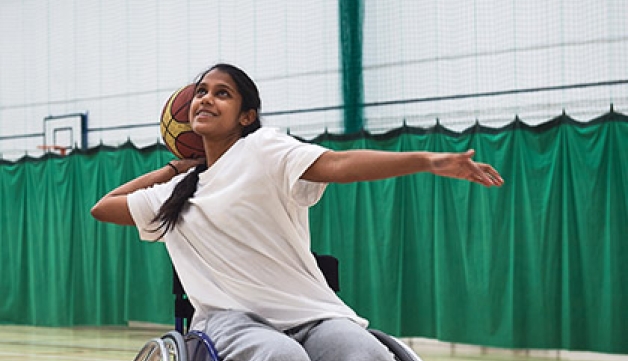 More children than ever are taking part, but too many are missing out on the benefits of an active lifestyle.
 Technical note to accompany the Active Lives Children and Young People Survey 2024/25, conducted by Ipsos.
 We've produced a new resource with UK Sport that aims to help sport and physical activity organisations develop plans to embed inclusion at every level.
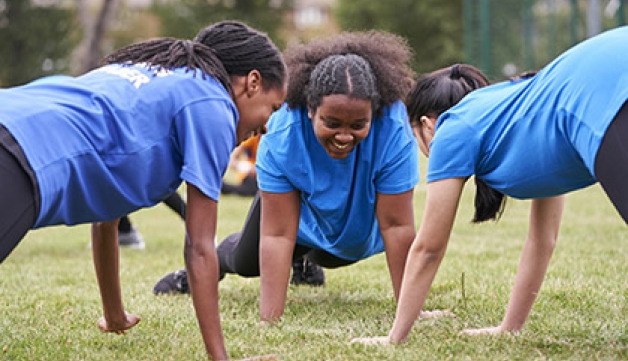 The latest figures come from the second year of our social value model, which also shows a potential extra £20 billion of social value available by tackling inequalities.
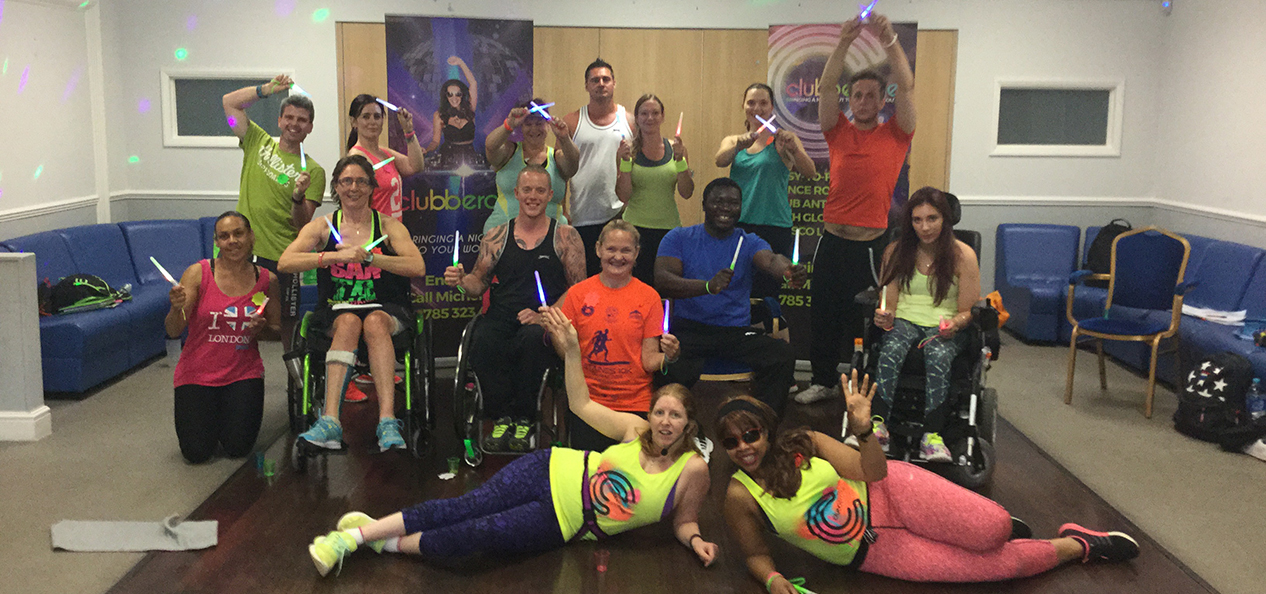
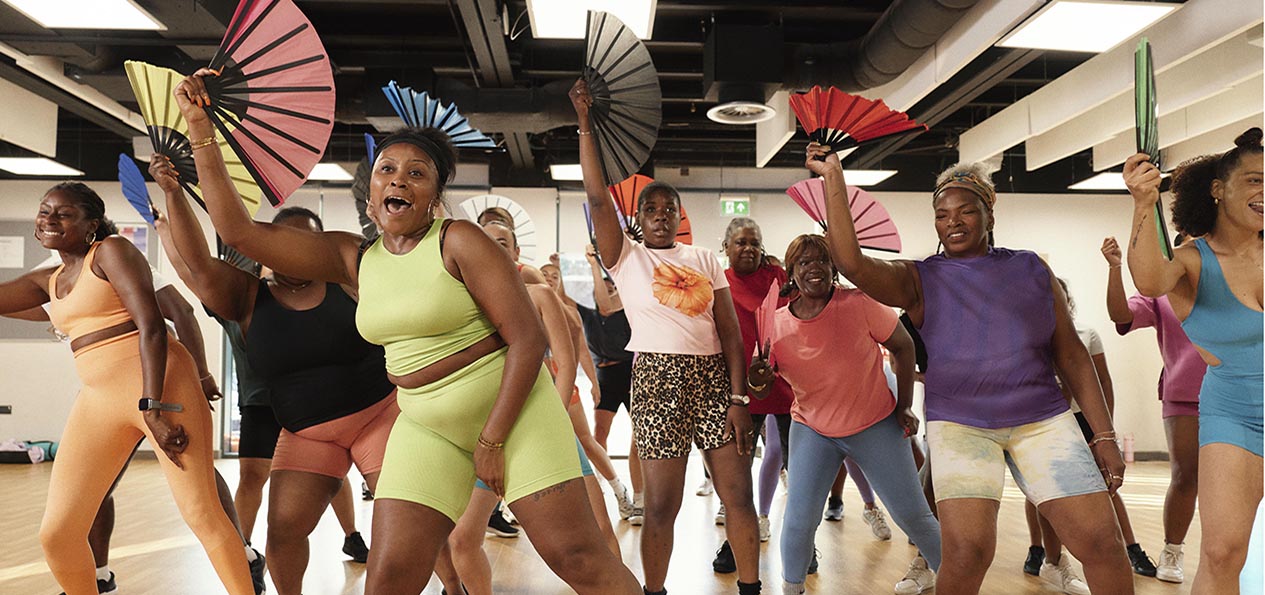
 After the Birmingham 2022 Commonwealth Games, we worked with the Centre for the Acceleration of Social Technology and National Governing Bodies to ensure a lasting digital legacy after the international event.
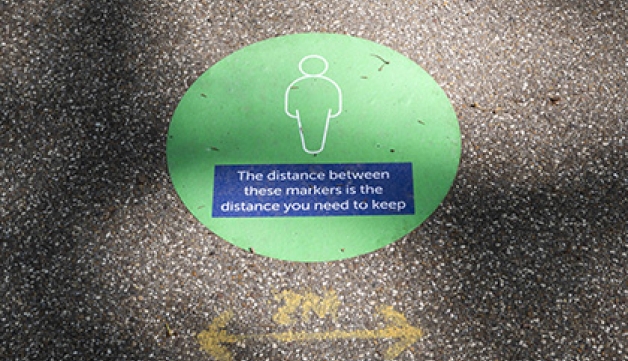 In 2020 we looked for innovative solutions to support those most affected by the coronavirus (Covid-19) pandemic and offered support (financial and non-financial) to ensure that they could continue with it.
 Help us build a stronger evidence base for sport and physical activity, to shape inclusive, effective and equitable policies and practices.

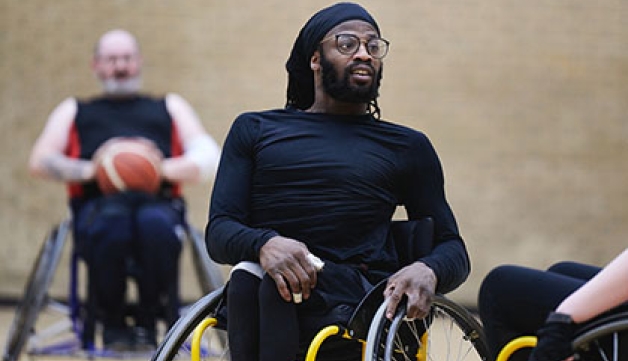 Horizon scanning helps us anticipate the future trends shaping sport and physical activity, guiding innovation and better outcomes for people and communities.
 Significant growth in activity levels for older adults and disabled people but more work to do to support those living in the most deprived places.
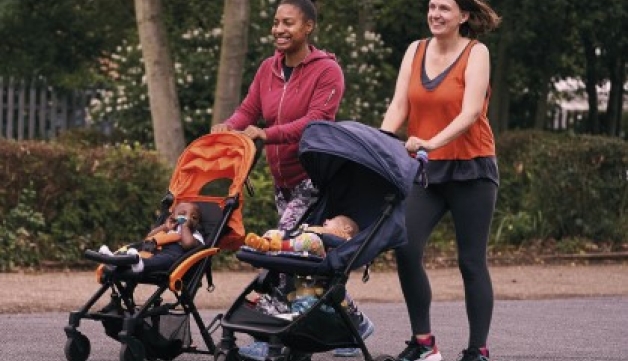 As part of our Uniting the Movement strategy, we're committed to ‘investing most in those who need it most’.
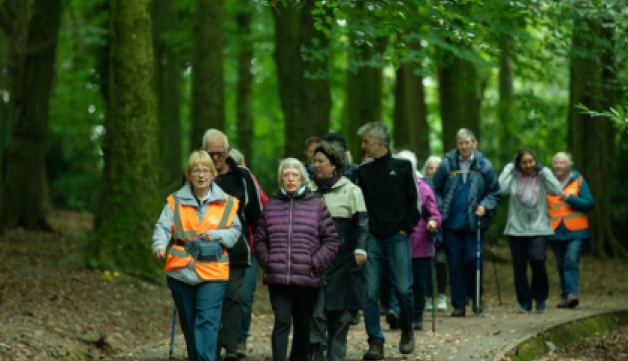 Our Inequalities Metric measures how different personal, social and economic characteristics combine to influence activity levels.


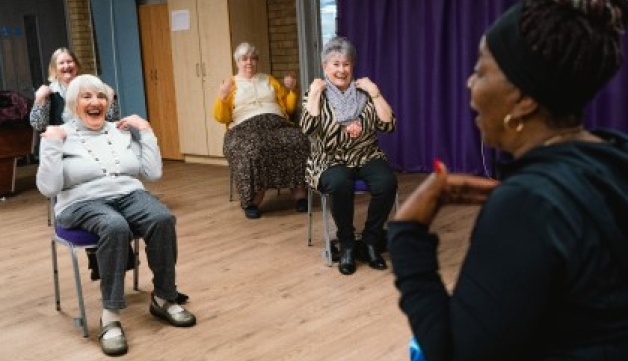 We commissioned research to provide an updated calculation of the social and economic value of sport and physical activity in England.
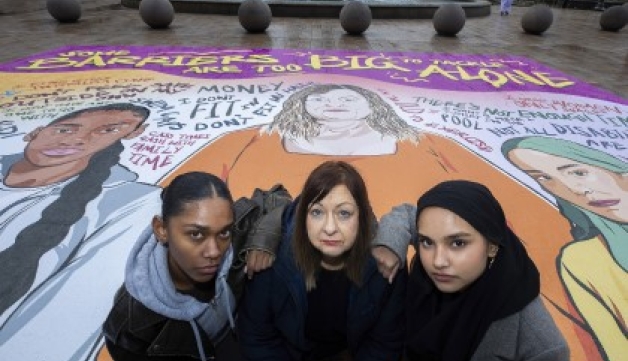 The new findings reveal only one in 10 women from lower-income backgrounds feel they completely belong in physical activity.

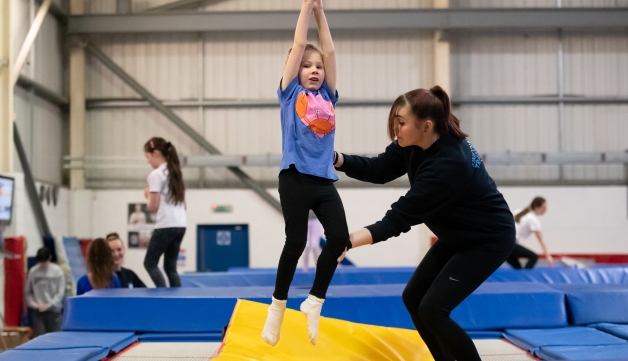 Full technical report to accompany the Active Lives Children and Young People Survey 2023/24, conducted by Ipsos.
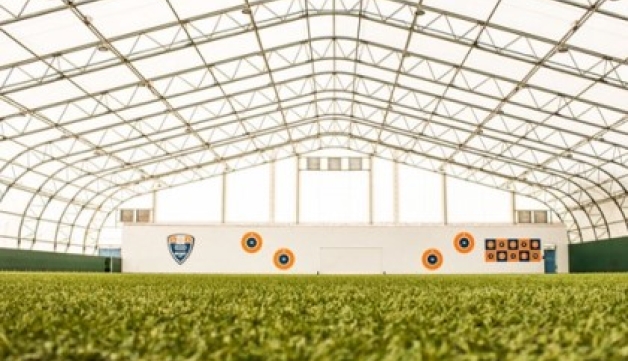 Exploring the role that alternative and parallel sport organisations and structures play in tackling inequalities in physical activity.