Skip to content

Taxonomy term

Content type

Making winter sports accessible and inclusive

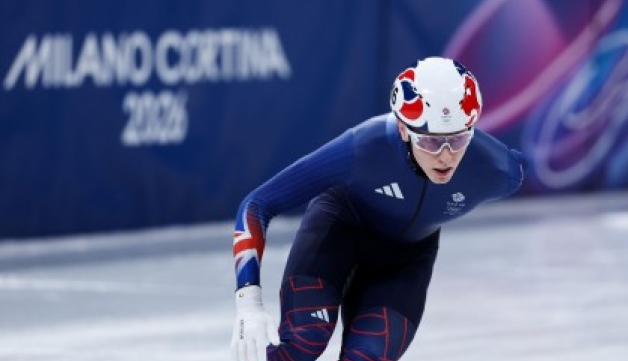
As the Milano Cortina 2026 Winter Olympic and Paralympic Games start we would like to extend our very best wishes to the athletes and the support team behind Team GB (and in the coming weeks ParalympicsGB) as the spotlight of Olympic and Paralympic sport shines upon them.

It is worth remembering that during the 2018-22 cycle the winter sports and athletes were particularly impacted by the resultant post-Brexit travel restrictions and also (how soon we forget!) by the Covid pandemic.

UK Sport and the British Olympic Association have an ambitious target this year and I think, and hope, that at this iteration of the ‘winters’ we will see our athletes and sports realise their aspirations as they showcase the rich and diverse sporting offer we have in England and across the UK.

Proudly supporting our talent

At Sport England we are extremely proud of the role that we play in supporting partners and thereby enabling aspiring athletes in winter sports to explore and fulfil their potential, but what does that support look like and why does it matter?

Starting with the second question first, let’s address the elephant in the room – why winter sports?

There is a rather lazy misconception that we don’t have winter sports facilities and that those sports are exclusively the pursuit of people from affluent backgrounds – the truth, like many things in life, is much more nuanced that that.

Starting with the sliding sports (bobsleigh, skeleton or luge to name a few) there is an established track record of athletes coming from the British Army - shout out at this point to our colleagues at British Army Sport which continues to be a key partner of and contributor to the UK High Performance System - or from track and field athletics.

These athletes often transition in to sliding sports (or should it be pushing sports!) through established UK Sport-led talent ID programmes such as Find Your Greatness, and those sports have brilliant pathways to take them all the way to the podium.
 

At Sport England we are extremely proud of the role that we play in supporting partners and thereby enabling aspiring athletes in winter sports to explore and fulfil their potential.

The skating sports are typically populated with athletes who started their careers at ice rinks and ice centres scattered across the major ‘second cities’ of England.

Funding centres across the country

The National Ice Centre in Nottingham has long since been the base for aspiring short track speed skaters and a great partnership between Sport England, Nottingham City Council and recently British Ice Skating, who received Sport England talent funding into their pathways.

Other English rinks feature prominently in the athletes’ biographies and it was great to see Sheffield hosting the recent Figure Skating European Championships as part of the build up to the Games.

English Snowsport athletes often start their careers at outdoor ‘dry’ (not so much in the rain!) ski slopes, which continue to be popular and affordable community sport facilities, enabling athletes such as the Summerhayes sisters or, for Milan-Cortina, veteran James ‘Woodsy’ Woods (who will compete at his fourth Olympic Winter Games) to progress from Sheffield Ski Village to the X-Games podium.  

Arguably Great Britain's most successful ever Alpine skier, Dave Ryding will contest his fifth Olympic Winter Games, having purportedly earned his stripes at a dry ski-facility up at Pendle Ski Club, a member-owned club located in the Ribble Valley, Lancashire.

Sport England investment supports the talent pathways in a range of winter sports to ensure that performance pathways in these sports are accessible and inclusive, well-led and managed, and that they offer the support needed to allow our aspiring young people to progress to the very highest level.

Through our funded partners, most prominently SportsAid, we also fund programmes such as Backing The Best and the TASS programme that collectively provide direct financial and athlete support services, such as strength and conditioning, physiotherapy and sports medicine services to enable our players to be fit, healthy and optimally prepared for graduation into high performance programmes and success at major events and games.

As an example, of the Team GB class of 2026 in Milan-Cortina, at least 10 athletes (including Dave ‘The Rocket’ Ryding) have received Sport England support through TASS - five of which are current TASS-supported athletes enabling them to be in the very best of health as they embark on one of the biggest events of their careers.

Finally, as we look ahead to the winter Paralympics, we could not be prouder of the English athletes who will represent PGB as the spotlight shines on them from 6 March, I am particularly looking forward to seeing trailblazing English wheelchair curlers: Yorkshire’s Jo Butterfield, Newcastle’s Jason Kean, Wigan’s Karen Aspey and Northumbria’s Stewart Pimblett.

Collectively, they will make history as the first English curlers ever to take to the ice at the ‘winters’.

Their inspirational journey (look them up, their stories are remarkable) was enabled through an innovative partnership with British Curling, which saw Sport England invest in performance pathways in the sport for the very first time.

Best of luck to all our athletes. No need to ask you to make us proud. We already are.
 

Find out more

Talent

Opening the river

At Fulham Reach Boat Club (FRBC), we believe rivers should belong to everyone and this year we took an exciting step forward with the launch of our new accessible rowing programme on the Thames.

What began as a small pilot called Row the Rhythm for blind and visually impaired participants and supported by Love Rowing funding, has quickly grown into a powerful learning journey for our coaches, volunteers, partners and those travelling from across London to try rowing, many of them for the first time.

This is the story of how we’re opening up rowing, what we’ve learned along the way and where we hope to go next – a journey that starts before reaching the water, because one of the most meaningful parts of the programme wasn’t actually on the river, it was the journey from Hammersmith Station.

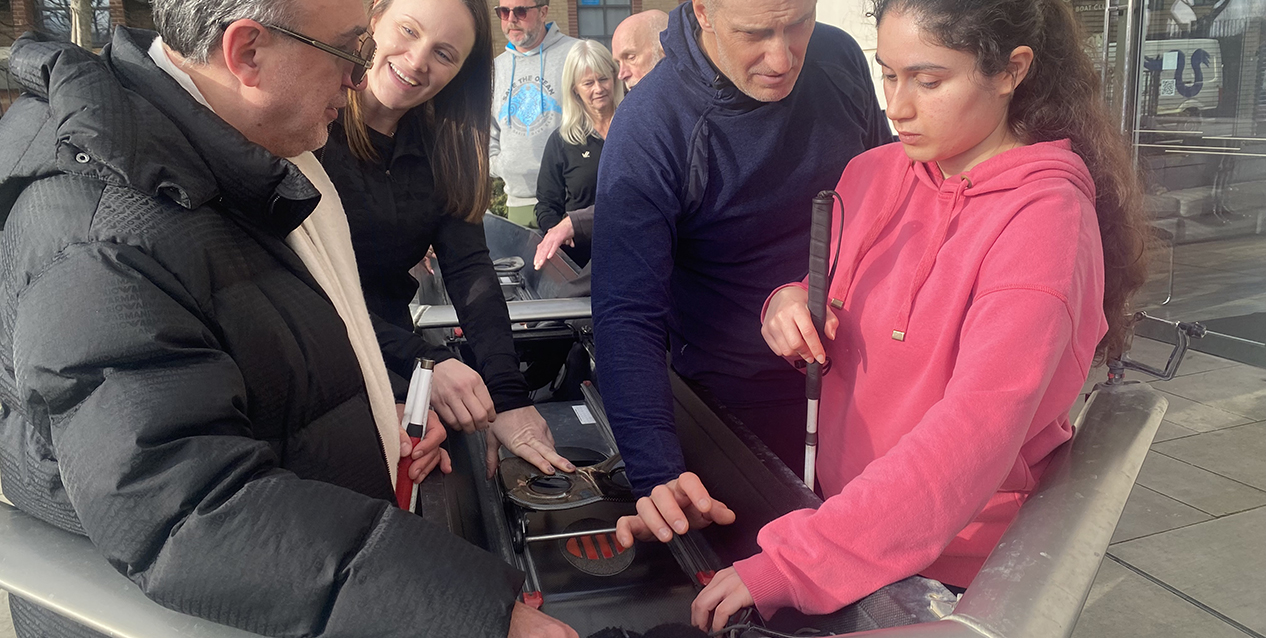
A blind girl and a blind man touch a boat during a rowing training session in the street.

We chose to meet participants at the station to guide them safely to our Boathouse, but it became far more than a practical step.

That short journey created space for honest conversation about the barriers disabled people face, about how few accessible sporting opportunities exist and about the courage it takes to try something new when the world isn’t designed with you in mind.

These walks helped build trust before a single stroke was taken and set the tone for the kind of programme we wanted to deliver – human, patient and centred on the individual.

Slowing down to go far

Rowing coaches are used to getting people onto the water quickly, but accessible rowing requires a different pace, which brought in our biggest challenge: slowing everyone down.

For safety and confidence, the first session had to take place entirely on land.

What began as a small pilot for blind and visually impaired participants has quickly grown into a powerful learning journey for our coaches, volunteers, partners and the people who travelled from across London to try rowing, many of them for the first time.

Participants learned about the layout of the site, boat handling, water safety and how rowing feels and works before ever stepping into a boat.

At first, some were disappointed not to get onto the Thames straight away, but by session two or three  the benefits were clear as starting slowly meant that once on the water, participants felt calm, informed and ready.

Their progress was extraordinary!

A growing community of rowers with complex needs

What surprised us the most was how working in this space naturally attracted more people with complex and varied needs, far beyond our original plans.

People travelled long distances across London, and in some cases far beyond, simply because accessible rowing doesn’t exist elsewhere. That willingness to travel underlined the scale of unmet demand.

Our local partners at Action on Disability and sight loss charity, VICTA helped us understand the huge range of disabilities and access needs in our community.

That is why we chose to start by focusing on just one area of need – visual impairment and blindness – building specialist expertise before widening out.

And the appetite is growing.

What we learned: coach the person

Across the programme, one principle kept resurfacing: empathy and understanding go a long way. See beyond the disability. Coach for the individual, not for the sport.

We learned to ask different questions, to describe space differently, to adjust our language, to use one voice in busy environments and to understand what independence looks like for each person.

We also learned that accessible rowing isn’t just about equipment – it’s about culture, about slowing down, about listening and about co-creating the experience.

Building a sustainable accessible rowing pathway

We’re proud of what Row the Rhythm achieved, but this is only the beginning.

Our long-term goal is to build a permanent, specialist accessible pathway at FRBC and to fully integrate disabled rowers into our wider club community.

To make this sustainable we're:

  • recruiting a disability advisory group to inform our programmes
  • improving the accessibility of our site, including new crew room layouts and an accessible ramp to the foreshore
  • co-creating future sessions with participants, ensuring their voices shape the programme
  • working with VICTA, Love Rowing, Action on Disability and other local partners to reach people who've never had the chance to try rowing
  • raising funds to support free-to-access programmes as well as offering self-funded opportunities.

Our vision is a sport where disabled people can learn, progress and row independently and where adaptive rowing blends seamlessly into our mainstream offer.

Looking ahead

This first year has shown us two powerful truths: there is a huge untapped demand for accessible rowing and that when you remove barriers, people thrive.

Participants told us the experience was “life-changing”, “freeing” and something they've never thought that they'd be able to do.

And for us, the learning has been just as transformative and rewarding.

We now know that accessible rowing is not a niche add-on – it is essential to creating a sport that truly belongs to everyone.

The river has room for all of us and at Fulham Reach Boat Club, we’re committed to making sure everyone who wants to row can find their place on the water.

Changing the game

At Sport England, we want to make physical activity and sport a normal part of life for everyone, as movement is not only great for everybody's mental and physical health, but because it also brings communities together, develops skills and confidence, and even contributes to boosting our economy.

However, we know that when it comes to being active, it’s not a level playing field across the country and some groups in our communities face additional barriers due to their background, gender, postcode, culture and/or disability (amongst others).

That’s why our focus on Equity, Diversity and Inclusion (ED&I) runs through everything we do and aims to tackle some of these systemic challenges, because for us it’s not about ticking boxes, but about making the world better for everyone.

As part of our long-term organisational strategy, Uniting the Movement, and our ED&I ambition to tackle inequalities, we have a specific focus on disability.

Our latest Active Lives data shows that one in five people in England have a long-standing limiting disability or illness, and that disabled people are almost twice as likely to be physically inactive.

We also know that an estimated 15% of the UK population are neurodivergent and that the more barriers people face, the less likely they are to be active.

On the other hand, we believe in the social model of disability – which means that people are disabled by society, not by their impairment – so we want to change the systemic and practical barriers they have to face as these, and not the person, are the real problem. 

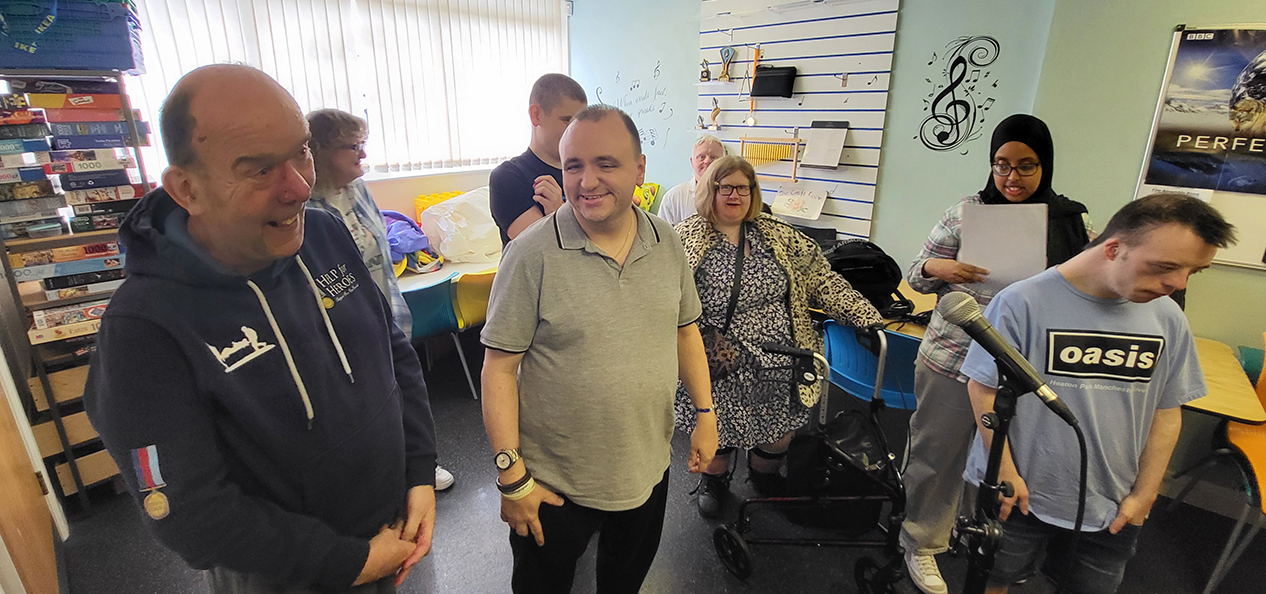
Historically, societal systems and sporting traditions have (often invisibly) excluded neurodivergent people and that's why at Sport England we're so excited to be working with Neurodiverse Sport and Autism Action. Together we want to begin to address these issues and drive more inclusive practice.

We are all included

Everyone is neurodiverse because everyone’s brains are different, but 'neurodivergence' refers to the cases when cognitive profiles differ further from the statistical norm, as happens with autism, Attention Deficit Hyperactivity Disorder (ADHD), dyslexia or dyspraxia.

As with everything, neurodivergence is different for each individual and some experience greater challenges than others.

We believe in the social model of disability – which means that people are disabled by society, not by their impairment – so we want to change the systemic and practical barriers they have to face as these, and not the person, are the real problem.

A person’s experience depends on how their unique strengths and challenges interact with their environment – so designing better environments is key to better outcomes.

Not everyone sees neurodivergence as a disability and this often links to whether they align with the social or medical model of disability, which sees the disability as the problem.

But as a disabled person, this makes sense to me – I don’t see myself as disabled if I use the medical model, yet I do under the social model.

Being disabled doesn’t stop anyone from having significant strengths, experiences or ambitions. 

In fact, it definitely doesn’t stop those wanting to be involved in sport and activity, from grassroots through to elite (Paralympics, anyone?).

So what we want to see, and what our partnership with Neurodiverse Sport and Autism Action will help us progress with, is a more inclusive and skilled sector for neurodivergent people.

The investment will focus on increasing awareness, upskilling the workforce, creating health and wellbeing partnerships, and building best practice and innovation for change.

Additionally, it will develop a 'Blueprint to Inclusion' to develop, pilot and replicate neuroinclusive practices across the sport and physical activity sector that will equip it with tools and resources to change understanding and practice.

The document will be co-produced with people with lived experience and it'll focused on people's strengths, promoting practical and reasonable adjustments as standard, and considering both performance and wellbeing.

More information about how this work is developing will be shared in the new year.

Bringing barriers down 

In spite of our best efforts and Uniting the Movement, it’s clear that there are deep-rooted inequalities in sport and physical activity that mean many people feel excluded.

We want to reduce this for neurodivergent people by working together to understand the barriers some are facing, finding solutions and supporting the sector to take this forward.

But we can’t do this alone – not even with the extensive networks of our partners. So if you want to be involved and are curious and ambitious in how we can collectively make the world better, please get in touch. We’d love to hear from you.

Find out more

Moving to Inclusion

Inclusive practice makes business sense

Imagine you’re missing out on talent, innovation and fresh perspectives, but not because they don’t exist, but because your systems weren’t built with them in mind.

That’s the quiet cost of inaccessibility in the workplace.

But with any challenge comes an opportunity and, in this case, it’s to realise that inclusive organisations perform better because they’re more adaptable, more trusted and more representative of the communities they serve.  

And with nearly one in four people in the UK identifying as disabled, this isn’t a niche issue – it’s a mainstream one.

So, just as the EmployAbility Guide highlights: “Inclusion isn’t just the right thing to do;  it’s a smart business decision.”

Group photo of disabled fitness professionals on a dance fitness certification training day at an indoors gym.

As someone who works at the intersection of disability and fitness, I’ve seen what’s possible when inclusion is built in, not bolted on, so I’m inviting employers and training providers to be part of shaping a sector that welcomes everyone and reflects our society.

What we’re building and why

The EmployAbility Leisure Strategic Partners Group was formed in 2022, and its members include Activity Alliance, CIMSPA, Community Leisure UK, EMDUK, Sport England, ukactive and UK Coaching.

The researchers are Professor Brett Smith and Dr Juliette Stebbings, and the lived-experience professionals are Lee Welch, Sam James and myself.

Together, we’ve developed three practical guides that support:

  • Employers recruiting and retaining disabled staff.
  • Training providers supporting disabled learners.
  • Disabled people building careers in the sector.
     

As someone who works at the intersection of disability and fitness, I’ve seen what’s possible when inclusion is built in, not bolted on, so I’m inviting employers and training providers to be part of shaping a sector that welcomes everyone and reflects our society.

Our mission now goes further and we promote sector-wide change by highlighting career pathways for disabled people, supporting inclusive education and recruitment and creating accessible cultures – physically and digitally.

From curiosity to commitment: my journey

As a partially blind person, I was excited – and curious – about training as a fitness instructor through the InstructAbility programme.

In 2014, I became the YMCA Fit’s first visually-impaired Exercise to Music trainee.

That milestone launched a career delivering audio-described dance fitness for blind groups, accessible fitness sessions for diverse audiences across the sector, and corporate energisers and team-building services.

I’m now an Exercise referral specialist and a member of the EmployAbility Strategic Partners Group.  

Why digital accessibility matters

I believe that inclusion must go beyond access to physical spaces and it must include the digital world, too, because we’re living in a digital age and accessibility is vital across the entire journey – from recruitment to training, development and as a constant on daily tasks in the workplace.

Accessible formats for blind and visually impaired people include Word documents and websites built to Web Content Accessibility Guidelines (WCAG), enabling screen-reading software to convert text into speech.

While I’ve had great support from training providers, some newer online platforms introduced unintended barriers, such as being incompatible with screen-reading software.

The good news? These issues are easily addressed through accessibility audits and expert scripting, making the platforms usable again.

You don’t need to scrap your systems but you do need to review them, so start where you are, get an audit, plan for access in your budgets and keep moving forward.

Why this work matters

In the UK, 16.1 million people, that is 24% of the population, are disabled yet only 54.2% of working-age disabled adults are employed, compared to 82% of non-disabled people, causing a 27.9 percentage point gap.

In our own sector, the gap is more acute with just 9% of disabled people saying they’ve had the opportunity to coach or deliver sport and physical activity, compared to 24% of non-disabled people.

At the same time, disabled adults are almost twice as likely to be physically inactive as non-disabled adults (39.5% vs. 20.2%).  

Good work is already happening, will you join in?

I’ve experienced inspiring commitment from training providers like YMCA Fit and dance fitness brands like Clubbercise and SOSA Dance Fitnesswho’ve trained and certified instructors with a wide range of disabilities.

Employers using Guide C have already improved our sector through an increased level of confidence among the staff, made recruitment more inclusive and enhanced feedback and onboarding processes.

Let’s connect!

Our free guides are here to support you, your team and your workplace. You don’t need to get it all right immediately, but taking steps forward is what matters.

We also want to say that we’re here for you and since Activity Alliance is currently acting as secretariat for the group, you can contact Dawn Hughes, their strategic partnerships advisor, and/or their workforce lead, Helen Newberry if you’ve got any questions, want to highlight any barriers or give us your feedback.

Let’s have a conversation, swap ideas, compare notes, celebrate your wins, tackle the challenges and keep learning together.
 

The great (and inclusive) outdoors

For more than 10 years, I’ve had the privilege of being part of a partnership between Sport England and the National Trust that’s been quietly but powerfully changing lives.

This is more than just getting people outdoors – it’s about creating real, lasting opportunities for everyone, especially those who need it most, to connect with nature and feel the benefits of being active in green and blue spaces.

Being outdoors and connected to nature has demonstrable health and wellbeing benefits.

Studies have shown impact such as lowering stress levels and reducing cortisol and inflammation, which are increasingly seen as factors in depression, autoimmune diseases and cancer.

Our work at the National Trust is shifting towards a more ‘place-based’ approach, but what exactly do we mean by that?

Rather than parachuting in with one-size-fits-all solutions, we’re considering what’s already happening in local communities, at National Trust properties and on their land, and finding ways to make those spaces more accessible, more welcoming and more connected to the people who live nearby.
 

This is more than just getting people outdoors – it’s about creating real, lasting opportunities for everyone, especially those who need it most, to connect with nature and feel the benefits of being active in green and blue spaces.

Whilst we consider how to be more locally responsive, we continue to work at a national scale on initiatives such as improving navigational and orientation signage to ensure paths are easy to find and follow, and refining path-grading methodologies to better reflect the diversity of users.

This work focuses on describing the path itself rather than the person using it and it goes in line with the Equality, Diversity & Inclusion (EDI) principles and the Equality Act.

What I love about our work is that it’s about making meaningful connections between the land and the community.

It’s not just about trails or facilities – it’s about creating safe, natural, traffic-free environments where people can walk, cycle, run, paddle or simply be.

I’ve seen firsthand how many barriers can stand in the way of people accessing the outdoors.

Things like fear of getting lost, finding themselves in unfamiliar terrain, safety concerns, challenges around travelling to our places or just not knowing where to start.

We’ve worked hard to design experiences that support people who are new to the outdoors and it’s making a real difference.

For that we’ve been able to capitalise on the strength of the National Trust brand.

Our properties are trusted spaces, with essential facilities like cafés and toilets, which makes them perfect for families, groups or individuals who might be taking their first steps into nature.

The multi-use trails that have been developed are a great example. They’re accessible, enjoyable and range from three to 5km, which makes them ideal for walking, wheeling, running or cycling.

And the impact has been incredible!

We’ve seen a 23% rise in visits from people of ethnic backgrounds, which indicates we’re reaching new audiences and helping more people feel like they belong in these spaces.

This is fantastic news since we strive to improve the experience for communities that often find barriers to exploring the great outdoors.

I’ve also been inspired by the way this work helps those who may need deeper support.

Whether it’s supported paddling sessions, inclusive activities for families with SEN, or community-led cycling groups like the Muslim Cycle Sisters at Osterley, there’s a real commitment to inclusion.

And it’s not just about participation but about representation, too.

The Trust is working with partners to tackle underrepresentation in the outdoor workforce, for example through our walking leaders programme, which is such an important step toward long-term change.

Nature restoration and biodiversity play a big part in our work.

Our infrastructure developments are designed to improve visitor experience and get people active whilst protecting some of the most sensitive nature areas.

We are strengthening our knowledge and skills in designing experiences that deliver real, meaningful and lasting nature connection to inspire more people to care for nature and their local environment.

Looking ahead

As I reflect on the past decade, I feel proud of what we’ve achieved and even more hopeful about what’s to come.

Our partnership with Sport England shows that when we focus on people, place and purpose, we can create spaces that are not only beautiful, but truly inclusive and life-enhancing.

And that’s something worth building on.

Find out more

National Trust

Cricket opening doors

There has never been more opportunity for young people with a disability to access and thrive in cricket.

In my short time as Chair of Lord’s Taverners, I’ve been privileged to witness the transformative power of our disability cricket programmes, not just for the young people who take part, but for their families, schools, and communities.

These experiences aren’t just inspirational, they are life-changing.

The need for our work has never been greater. That’s why I’m proud to be leading an organisation committed to making cricket the UK’s most inclusive team sport. And few moments capture that ambition more powerfully than the recent Disability Cricket Day at Lord’s.

Young people take part in cricket drills during the Disability Cricket Day at Lord's.

This landmark event, delivered in partnership with the England and Wales Cricket Board (ECB) and Marylebone Cricket Club (MCC), and with the support of Sport England, was far more than a celebration of cricket. It was a bold statement of inclusion.

Together, we opened not just the gates of the Home of Cricket, but doors for thousands of young people across the country – offering a glimpse of what is possible when barriers are removed, and potential is given room to grow.

From grassroots to elite, the day showcased the full spectrum of disability cricket. This was the largest celebration of its kind and a testament to what can be achieved when organisations unite with a shared purpose.

Stakeholders from across the sporting landscape, disability advocates, educators and representatives from international cricketing nations gathered to witness and discuss how we can continue to evolve and grow the game.

There were moments of pride and passion throughout, not least in the conference sessions exploring inclusion across junior, recreational and elite levels. We heard directly from young people whose lives have been transformed through cricket. Their voices – often underrepresented – helped underline why inclusive sport isn’t a luxury or a bonus. It’s a necessity.

Young people take part in a mini cricket game on a table during the Disability Cricket Day at Lord's.

One of the day’s highlights was our own Lord’s Taverners’ National Table Cricket Finals, where 12 regional champions competed at Lord’s after a nationwide series involving hundreds of special educational needs and disabilities (SEND) schools from across the UK during the previous six months.

Table Cricket – a brilliantly adapted, fully inclusive version of the game – opens up a world of opportunity for young people with a wide range of learning and physical disabilities. It helps build confidence, foster independence and teach vital teamwork and leadership skills – all within the joy and discipline of sport.

To see these young athletes compete on the same day and at the same venue as their elite counterparts was incredibly powerful.
 

Together, we opened not just the gates of the Home of Cricket, but doors for thousands of young people across the country – offering a glimpse of what is possible when barriers are removed, and potential is given room to grow.

The event closed with history being made: the first ever international disability cricket fixture played on the main ground at Lord’s, a mixed-disability T20 between England and India. It was a moment that united grassroots passion with elite aspiration, showing every young person in attendance what’s possible.

This remarkable alignment – national youth competition and elite international showcase, side-by-side – is a beacon for what sport can be when inclusion is placed at its heart. It’s a demonstration of the pathway that exists and is strengthening year-on-year for cricketers with a disability, and a reminder of the importance of representation. Because when young people see others like themselves competing at the highest level, they begin to believe: this is for me, too.

The success of the day was only possible because of the strong partnership between the ECB, MCC, and the Lord’s Taverners – a spirit that reflects Sport England’s Uniting the Movement strategy. Together, we’re not only creating unforgettable moments; we’re laying the foundations for long-term change.

Cricket – like all sport – holds the power to change lives. But that power is only realised when it’s accessible to all. Too many young people with a disability still face barriers: lack of opportunities, inaccessible environments, or simply not seeing themselves reflected on the field. The message they hear can all too often be: this isn’t for you.

At the Lord’s Taverners, we are here to change that.

And thanks to events like Disability Cricket Day – and the partnerships that make them possible – we’re showing that our sport can lead the way in making inclusion not just a principle, but a reality.
 

Find out more

Lord's Taverners

You've viewed of items.