
As we work alongside partners in Uniting the Movement, we have been deeply inspired by the brilliant youth voice initiatives across the sector that are supporting young people to make themselves heard.
At the Leadership Skills Foundation, our own youth-voice journey is about reinforcing a core belief: that every young person can lead change if given the opportunity to develop their skills and confidence.
Overcoming obstacles through communication
As part of our role as a Sport England system partner, we’ve been building understanding of the barriers young people face to accessing leadership opportunities and progressing into the sector's workforce.
Youth voice has been an important part of this process and we’ve been testing a new accredited learning programme to empower young people to lead the conversation.
The Speak Up Challenge aims to build young people’s skills and confidence through creative, participatory activities in classrooms, sports halls and youth clubs.
Based on the Lundy model for youth participation, it gives young people a platform to communicate their views to influential professionals and policy-makers – all while also receiving feedback to help them understand the potential impact of their insights.
As part of our pilot, colleagues at Sport England kindly agreed to listen and to provide video feedback as young people shared their perspectives on the barriers into sports volunteering and worked together to reimagine pathways into employment.
Their ideas spanned transport difficulties, prohibitive costs, lack of role models, low confidence and negative perceptions of careers in sport.
We’ve taken all the insights and created a summary for everybody to access and this is available on the Challenge page too.
 Our guidance explains how we are using AI, and how we expect people doing business with us to responsibly manage this technology.

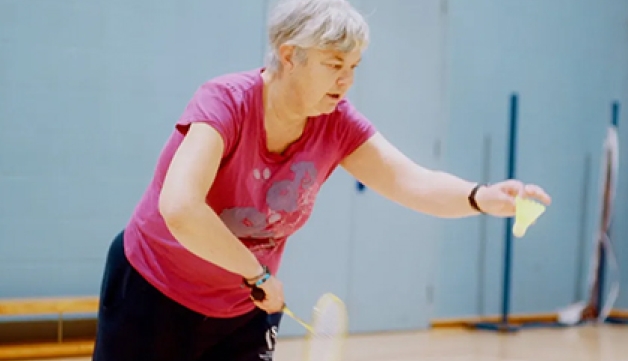 We and Good Things Foundation are seeking evidence of examples of actions being taken to reduce digital barriers to engaging in sport and physical activity.
 After the Birmingham 2022 Commonwealth Games, we worked with the Centre for the Acceleration of Social Technology and National Governing Bodies to ensure a lasting digital legacy after the international event.
 In 2021 we partnered with Design Council to deliver our Ideas to Action programme to find new ways to overcome the inequalities in physical activity that persisted, or worsened, through the pandemic.
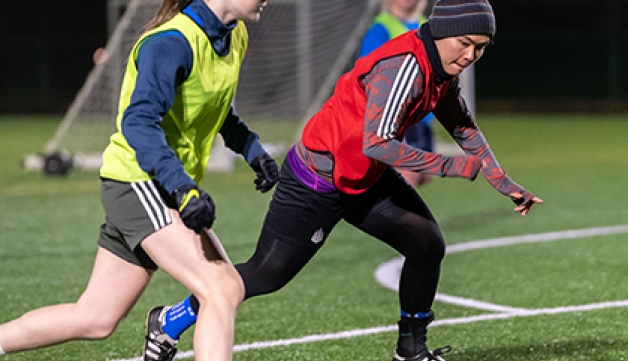 Learn about the collaborations we've had over the last years with key organisations to explore ways for innovation and digital to address inequalities across our sector.