Shaping systems fit for the future
Devolution requires an approach that connects physical activity to the wider challenges facing places and it presents an opportunity to rewire systems locally.
This is to be done by better connecting policy and service areas so that it is everyone’s responsibility to support healthier places, stronger communities and better outcomes across public services through the lens of getting people more active.
This shift is already happening.
In Cumbria, our partners used a period of local government reorganisation as an opportunity to influence the future system.
With this aim in mind Active Cumbria focused on building relationships, demonstrating value and showing how physical activity could support the ambitions of the new authorities.
Plus a shared-services prospectus helped turn the case for physical activity into a compelling opportunity for senior leaders, showing how it could add value across services rather than sit within a single agenda.
At the same time, involvement in local government redesign opened the door to shaping future ways of working, with sport and physical activity positioned as part of the solution.
Together, these opportunities created a stronger platform to influence how services could work collectively to support healthier communities.
The key lesson is simple: influence is strongest when relationships and credibility are built before decisions are made.
Elsewhere, in West Yorkshire, our partners have taken a regional approach, connecting physical activity with wider ambitions around health, transport and inclusive growth.
By aligning movement with strategic priorities, physical activity has become part of conversations about creating better places – demonstrating how activity can contribute beyond sport.
South Yorkshire provides another example of how partnerships can use evidence and collaboration to influence wider agendas.
By connecting physical activity with challenges such as health inequalities, community resilience and economic opportunity, partners have helped position movement as part of the solution and a contributor to wider outcomes.
And in Devon, our partners have focused on building the foundations for future influence.
By engaging early with local leaders and demonstrating the contribution physical activity can make, they are helping ensure movement is considered within wider discussions about place and public services – creating the opportunity to shape decisions before they are made.
Common goals across the map
These examples show there is no single route to embedding physical activity in devolution as every place has its own challenges, opportunities and priorities.
But the non-negotiable principles are clear – understand local ambitions, build trusted relationships and demonstrate the value physical activity can bring.
Strategic authorities and local leaders are focused on major challenges: improving health, boosting economic activity, tackling inequality, strengthening communities and creating better places to live.
The opportunity for our Place Partnerships is to connect movement with these wider priorities.
Active travel supports transport ambitions, active communities support better health outcomes, physical activity supports children's development and investment in activity creates social and economic value.
The evidence is powerful, as Sport England estimates that community sport and physical activity generate £123 billion in annual social value, with a further £20 billion possible if the least active matched the most active.
These are not just numbers. They are arguments about public services, economic growth and the future of places.
By the time a strategy is published or an investment decision is made, much of the thinking has already happened, that is why we support our Place Partnerships to be part of conversations from the beginning.
A work that goes hand in hand
Because, ultimately, this is the role of our Place Partnerships – connecting organisations, aligning priorities and creating the conditions for long-term change in supporting people to engage with, and value, being physically active.
We’re convinced that devolution will shape England's places for generations.
Decisions about transport networks, housing developments, health systems, employment and regeneration will influence whether active living becomes the easy choice for future communities.
And that’s why physical activity cannot sit on the sidelines of these conversations.
The examples from Cumbria, West Yorkshire, South Yorkshire, Devon and other places show what is possible, because when Place Partnerships build relationships, bring evidence and align with local priorities, they become trusted partners in shaping the future.

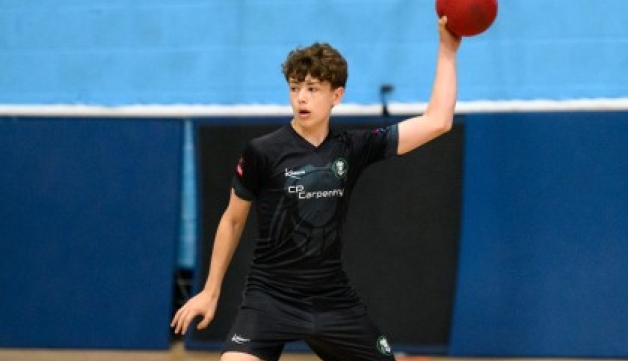 The government is investing £22.5m in enrichment activities for young people at more than 400 secondary schools in disadvantaged communities.
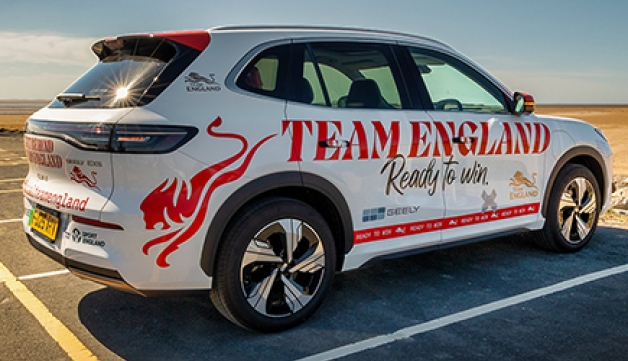 With the Glasgow 2026 Commonwealth Games in full swing, we look back to the positive legacy of the last Games and how we’re backing this year’s event.
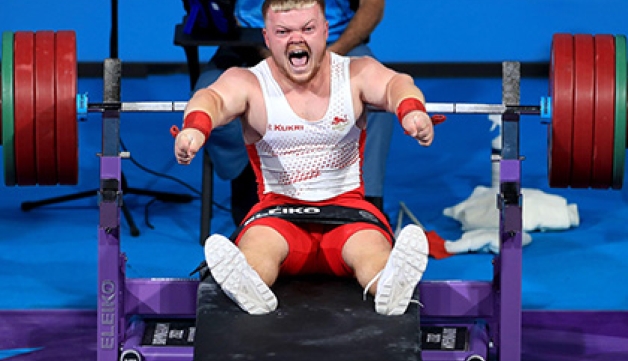 We profile some of the Team England athletes and teams competing at the Commonwealth Games whose development has been supported by our Backing the Best funding.

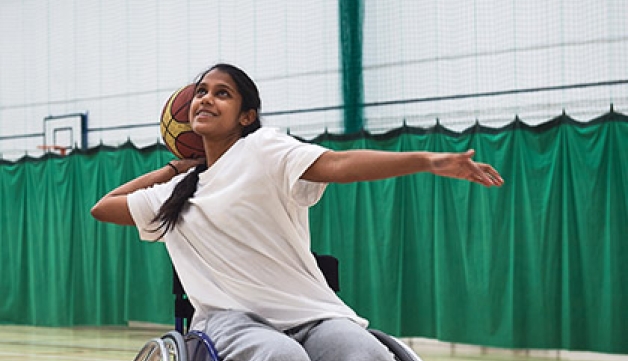 More children than ever are taking part, but too many are missing out on the benefits of an active lifestyle.
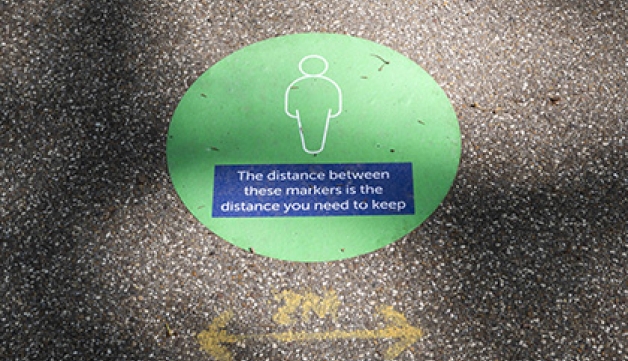 In 2020 we looked for innovative solutions to support those most affected by the coronavirus (Covid-19) pandemic and offered support (financial and non-financial) to ensure that they could continue with it.
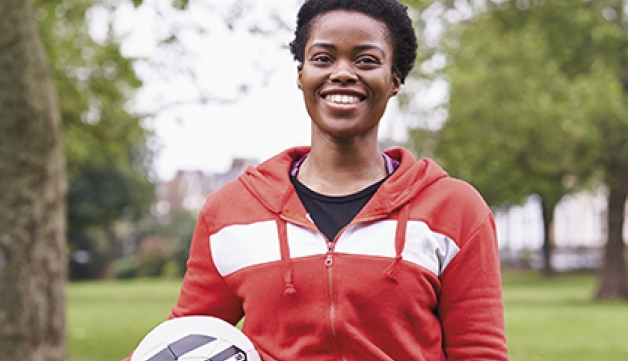 We've worked with Good Things Foundation to understand the connection between digital inclusion and participation in sport and physical activity.


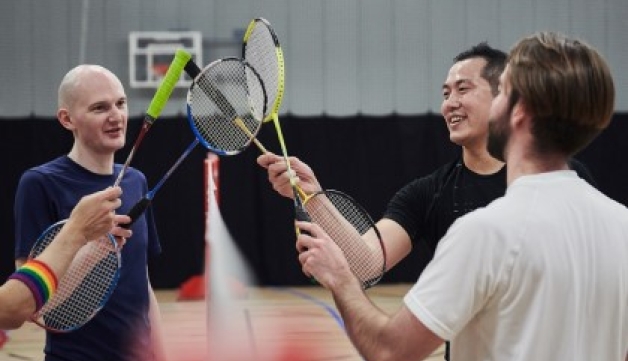 Our Place Universal Offer will support Active Partnerships in England to supercharge efforts to tackle inequality and inactivity.

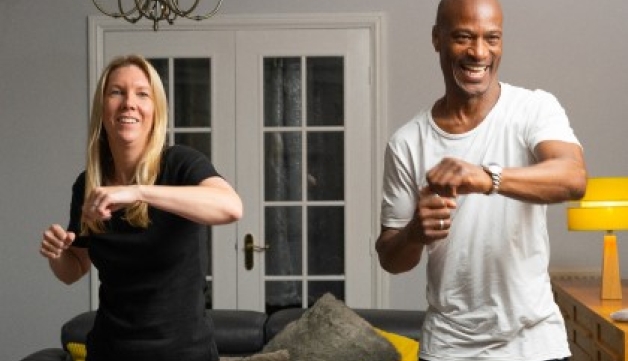 This Girl Can worked with Our Parks to create a new guide with tips and advice for anyone interested in making their physical activity initiatives more inclusive.
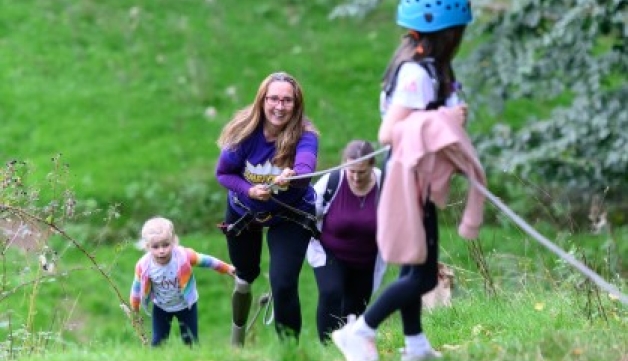 Our Pilot Fund awarded an average of £233,000 to 18 projects around the country.
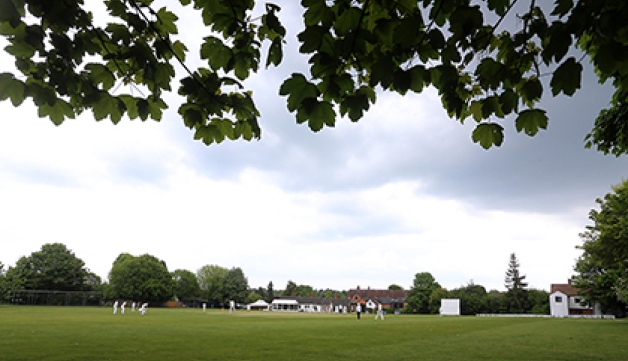 The Grass Pitch Improvement Fund is backed by us and National Lottery funding to invest £5 million in areas of most need across England and Wales.
 After the Three Lions’ achievement of reaching the UEFA EURO 2024 final, the government has published its plans to ensure the team's legacy.
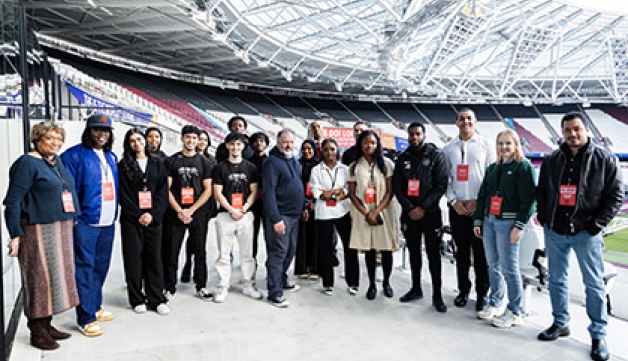 The capital’s biggest ever community sports fund celebrates one year of success by launching a programme to support business ideas that enable young people to access sport and physical activity.
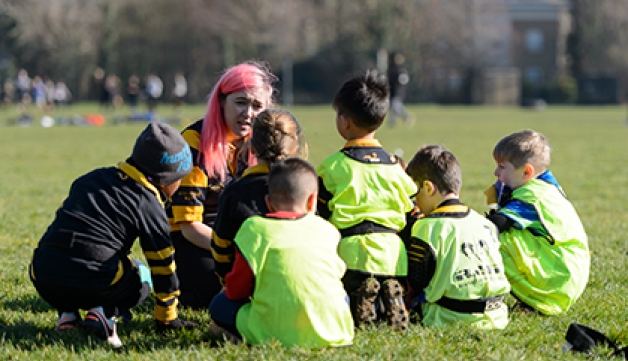 Children and young people’s overall activity levels are stable as the initial recovery from the pandemic was maintained across the 2022-23 academic year.
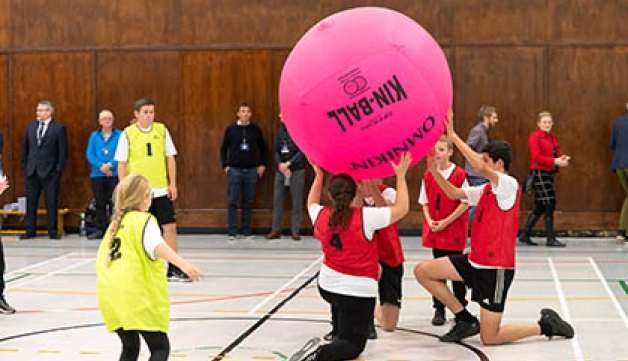 We’re investing a further £250m into this groundbreaking and innovative work.
 Go! London has awarded more than £2 million to sport and physical activity projects that will transform the lives of thousands of young Londoners.


 The fund will run until the end of June this year and will prioritise funding projects that can make the biggest difference to people that need it most.


 We’ve invested £23 million in the tournament’s social impact programme.
