Our approach was a practical one, with the aim of achieving tangible outcomes.
However, we were mindful that this was ambitious and we sought to chunk up the system in a phased approach.
There was no point jumping right in and biting off more than we could chew.
Our work began with children’s social care, is now moving on to adult social care and will go on to include services for people with special educational needs and disabilities (SEND).
For phase one, looking at children, the starting point was deciding where we should have better links.
Why was no-one coming to us as the local provider and expert on physical activity? It was clear that it was up to us to establish connections with the right influencers.
We were fortunate that there was, and still is, an appetite for this work with the wellbeing of Luton’s children - one of the central themes of the council’s cornerstone 2040 strategy.
Like an octopus spreading its tentacles, we were able to capitalise on the appetite for improvement in the local children’s offer.
Realising the differences among groups
Bit by bit, working through an enabler/connector strategy, we joined dots by putting people, groups and organisations in touch with each other.
By facilitating and creating this environment it enabled the same message to be spread through the growing network.
As a result, we are now positioned at the centre of the children’s social care system and have been able to implement change in a number of different ways.
We now have regular contact with portfolio holders for children’s services and have developed programmes to support children under the care of the virtual school and are the provider for our extensive Holiday Activity and Food programme, which continues to grow its reach and impact.
Our work has even extended across the integrated care system with our Young Person’s Social Prescription programme being adopted across its remit due to the proven benefits in addressing equalities.
It’s particularly interesting to note that we didn’t ask anyone for additional funding as part of this phase one work.
However, additional funding did come to us and it continues to come, as a by-product of the work to educate and spread the vision.
The appetite to make it happen grew, but of course it wasn’t all plain sailing.
We were reaching a strong position when Covid-19 struck and stalled our momentum, so we had to start again, if not from the baseline, certainly not from where we left off.
We also came to recognise that working with adult social care would pose more challenges than working with children's.
It’s a highly complex system which we underestimated.
We anticipated the same speed of change but the work is proving much more challenging, however we’re confident that it will be equally rewarding.
On a personal level, given the timing of this work in the immediate period before I leave Active Luton, it will inevitably form part of my legacy.
Reflecting on this, it’s been an exercise in devolving leadership and developing a new way of thinking – right across the project team.
It’s been important to set clear expectations and know who’s accountable and can make things happen.
Spreading ownership for different elements of the work will hopefully spread a sense of empowerment and ensure the right reach and impact are achieved.
As a final thought, I think it’s important to highlight that, although numbers are key, there are many other crucial factors to consider as outcomes and impact can’t solely be measured numerically.
The quality of partnership working and enablement is vital, but less easily ‘measured’.
And it’s important to remember that people care about different things, so answers to a question may vary depending who’s asking and that is the key to an adaptable and responsive approach to system change.

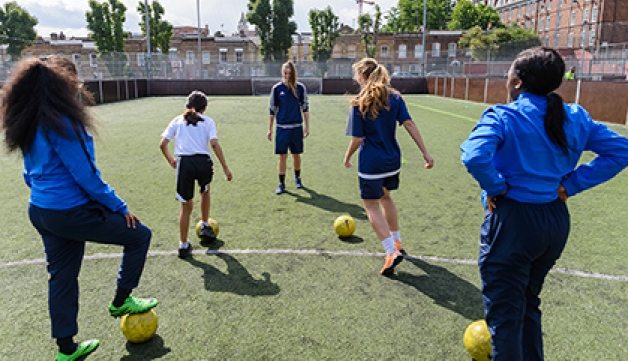 The Prime Minister plans to give local people more control over investment in sport and physical activity in their regions.
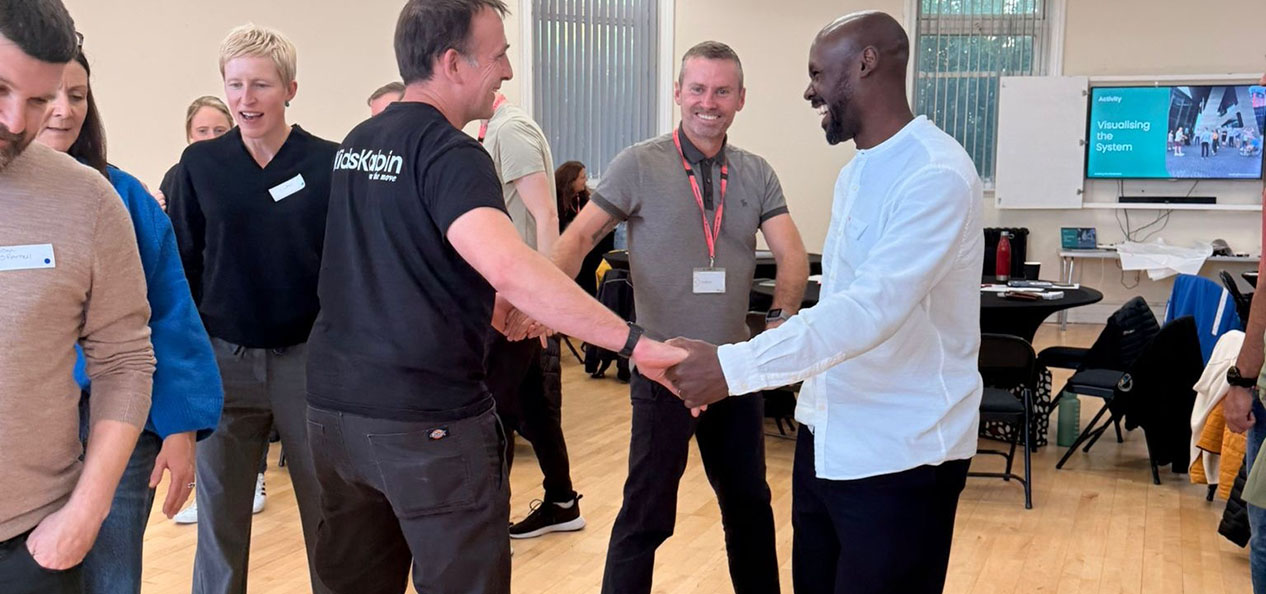
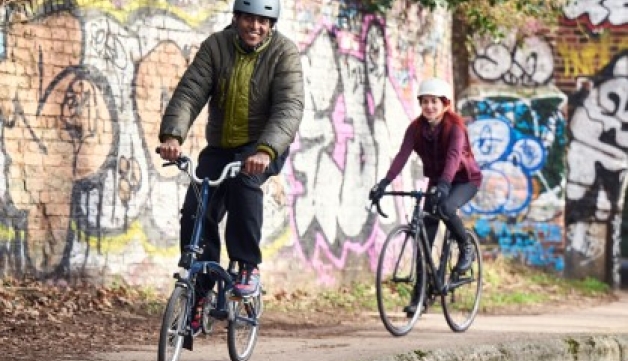 Our position statement highlights the vital role sport and physical activity can play in delivering local growth, prevention and wellbeing ambitions, as greater decision-making powers are transferred to communities.
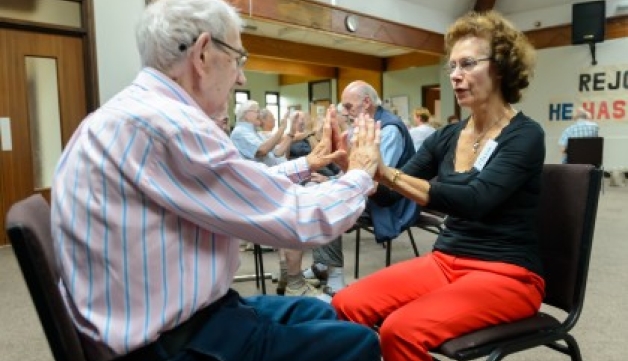 Helping local leaders, strategic authorities and partners better understand the role sport and physical activity can play in delivering local growth, prevention and wellbeing ambitions.
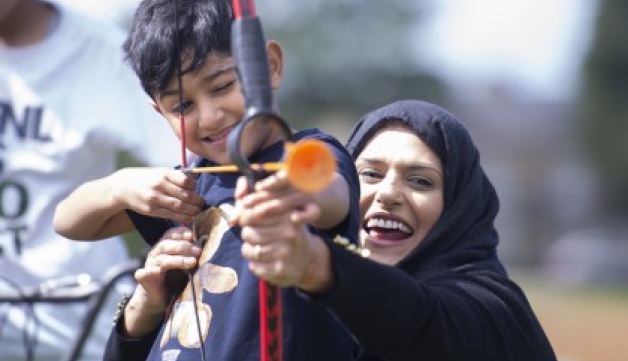 We’re investing £25 million in our Place Universal Offer until 2028, working with 30 Active Partnerships and other local organisations to drive community-led change.
 Sport England's position statement on devolution policy.
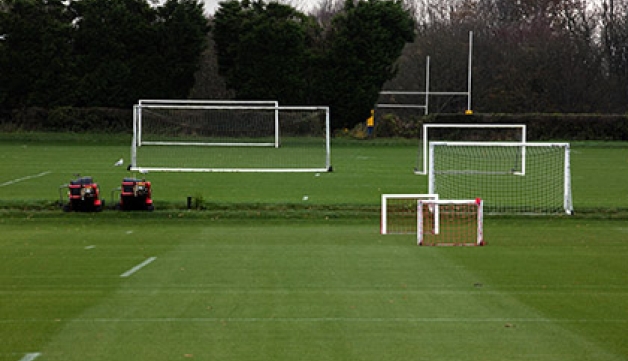 The latest data indicate our role as a statutory consultee saw 94% of all concluded planning applications involving playing fields result in the protection or improvement of facilities.
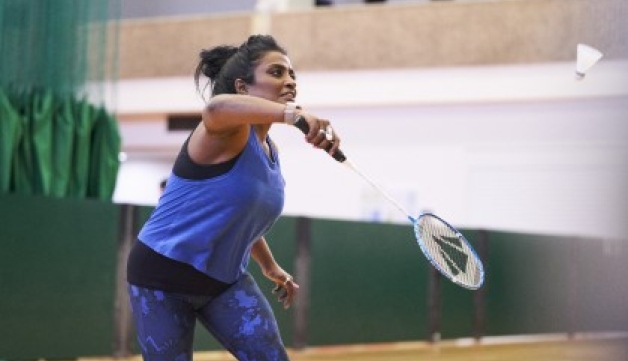 The figures come from our latest Moving Communities report, which also shows an increase in women using the facilities, quality of facilities and highlights their value to society.
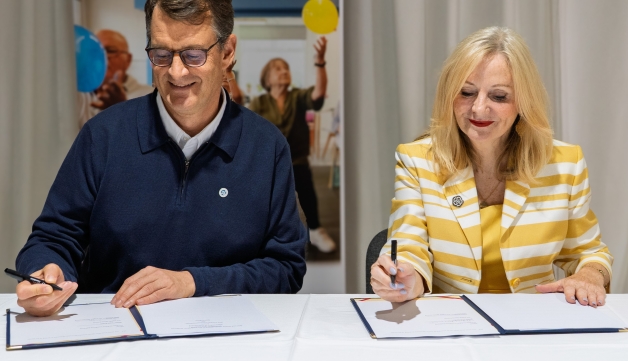 We’ve signed a joint pledge to embed sport and physical activity into the everyday lives of people across West Yorkshire, building on our investment in the region.

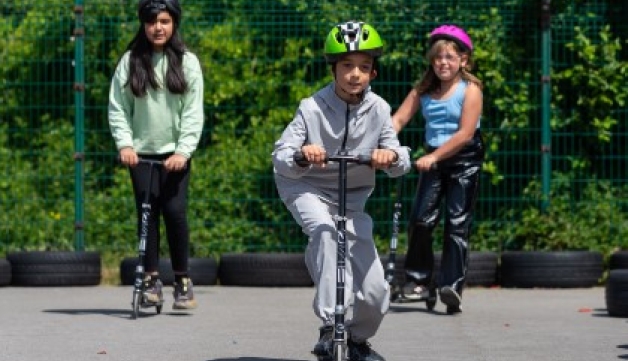 As new research finds the JU:MP programme we funded is having a significant impact on getting children active in Bradford, we’re investing an extra £4 million into the city.
 Creating a diverse, thriving, community of leaders who are supported, empowered, skilled and united in the movement to tackle inequalities in physical activity and sport.


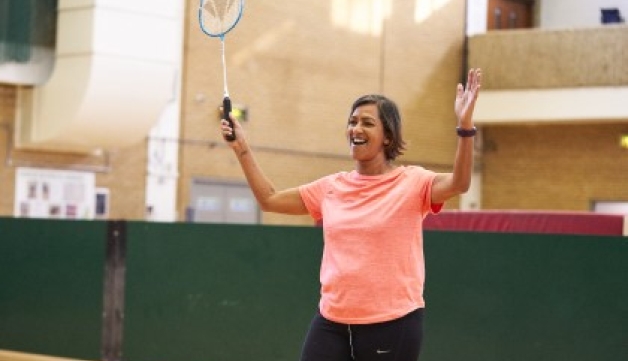 Our new Moving Communities report shows the resilience, adaptability and continued importance of public leisure facilities to local communities.
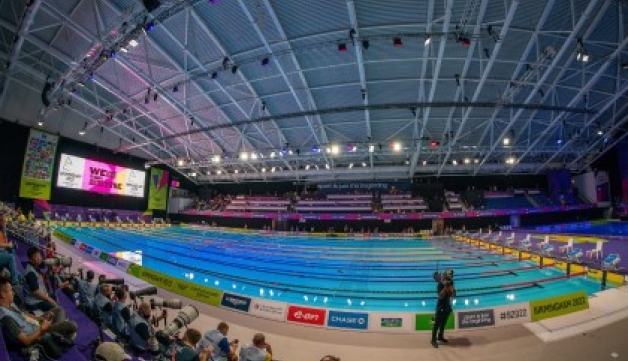 A 'one year on' evaluation report published by the government shows the lasting impact Birmingham 2022 has had on widening access to sport and physical activity.

 This follows recommendations made by The Whyte Review and will support Club Welfare Officers nationwide.
 This second phase follows the revenue phase which open earlier in the summer and is part of the total £60 million being made available to help public swimming pools with running costs and efforts to improve energy efficiency.

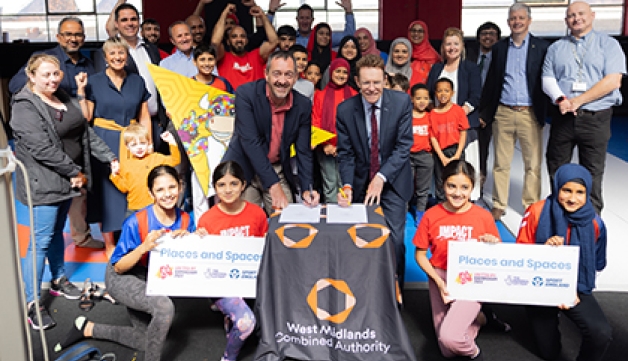 The new memorandum of understanding see the Commonwealth Active Communities continued as well as support more volunteering opportunities and provide grant funding for community-led projects.
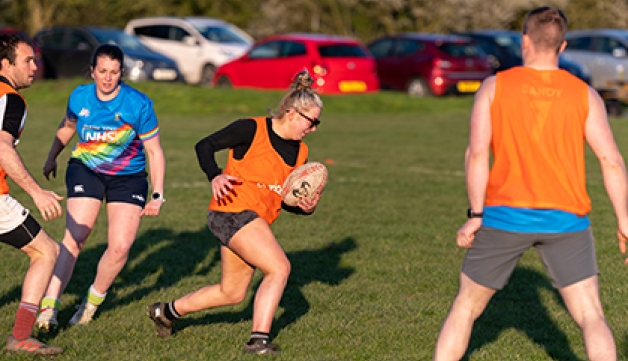 The update looks at what we've achieved in the last year, breaks down key results and highlights the importance of working with our key partners and the sector to achieve our long-term strategy's goals.
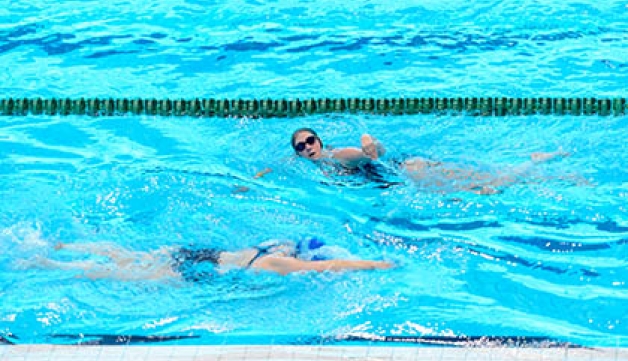 We administered the government’s £80 million fund for public swimming pools.
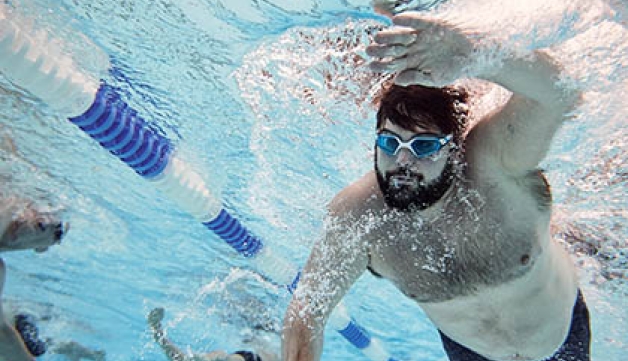 Publicly-owned leisure centres with swimming pools have been handed a financial boost.

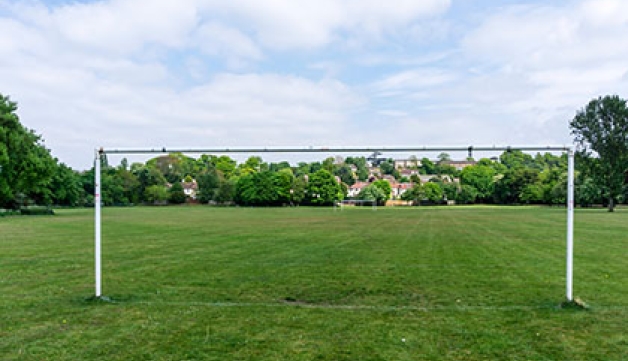 We publish our latest annual playing field protection statistics, with more than 1,000 saved or enhanced in the latest 12-month period.
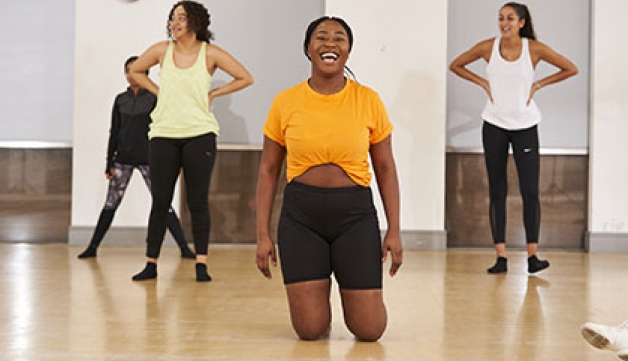 Our future of public leisure report details the current state of the sector and how it can evolve to be sustainable and meet the challenges it faces, in doing so continuing to give people places to get active.
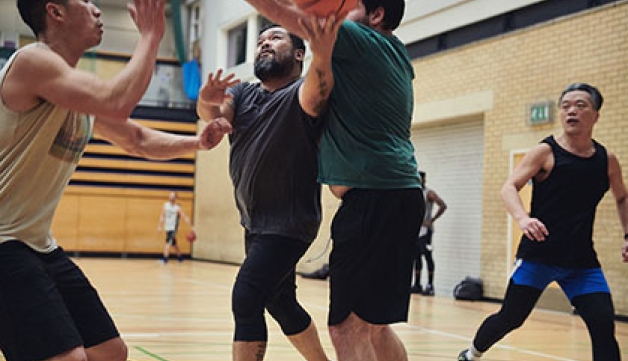 We've worked with key stakeholders in the sector to publish a report on the current state of public leisure and how it should evolve to continue providing vital services that help people get or stay active.
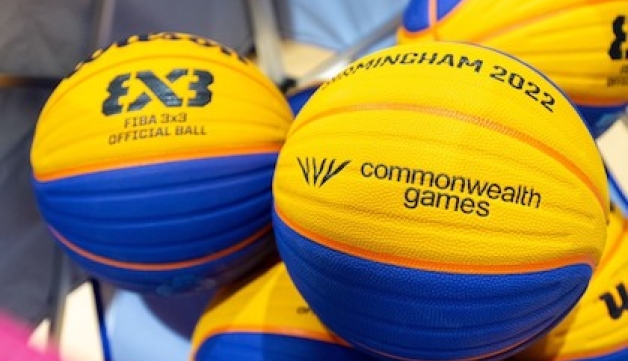 We’re working to ensure the Commonwealth Games is leaving a lasting impact by supporting physical activity in West Midlands communities.
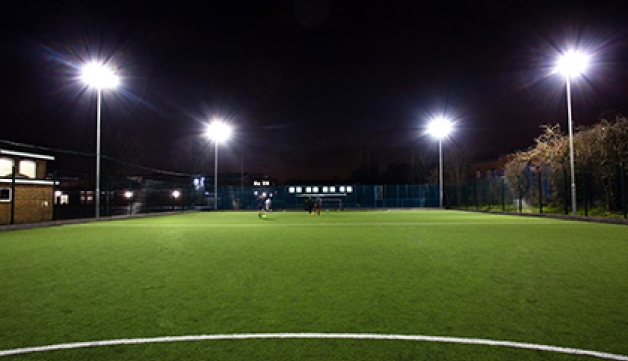 How to reduce energy costs for local physical activity and sports facilities.

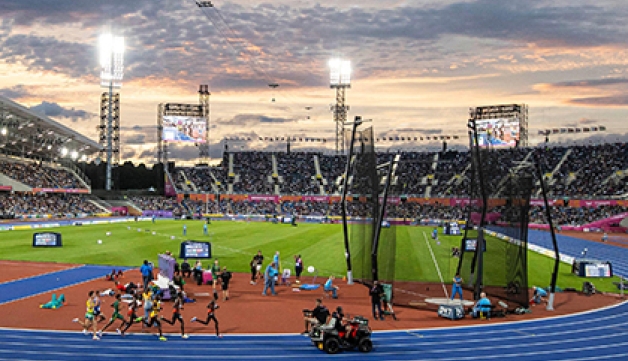 More than 16,000 sports items used at Birmingham 2022 being made available to not-for-profit community-based organisations in the West Midlands.
 A list of FAQs for the kit dissolution process in the aftermath of the Birmingham 2022 Commonwealth Games.
 We're leading on the dissolution of sporting equipment and kit to community groups in the West Midlands following the end of the Birmingham 2022 Commonwealth Games.

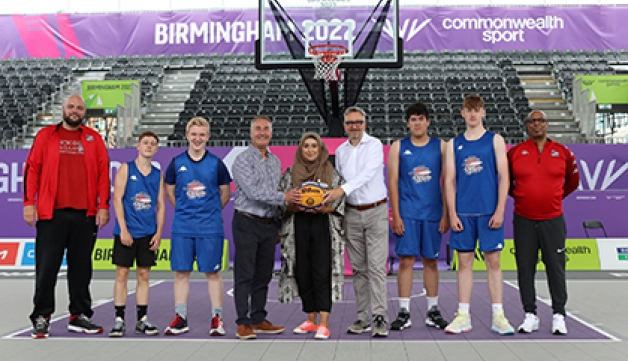 The 3x3 format of basketball has been a big hit at Birmingham 2022 as it makes its Commonwealth Games debut, with the City Council keen to use its popularity as a springboard to drive participation.
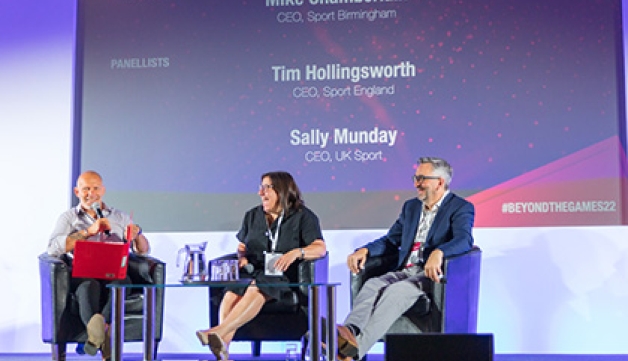 Ahead of the Birmingham 2022 Commonwealth Games, the Beyond The Games conference explored how sport and activity can be used to address the country's social and sectoral issues.
 Data can give a better understanding of how to help people get active. We’ve got a number of tools to help you understand our available data.

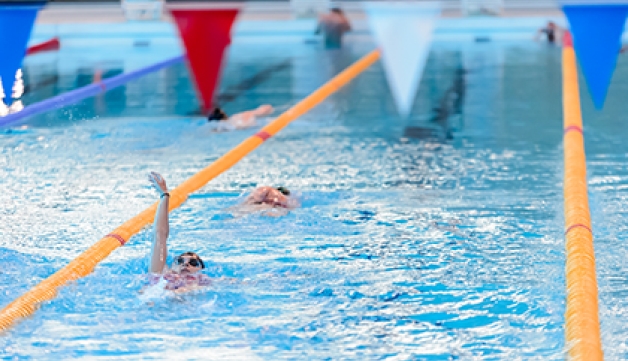 Our Moving Communities service measures physical activity levels and other key performance metrics across delivery programmes and facilities in local places and the wider social value that creates.

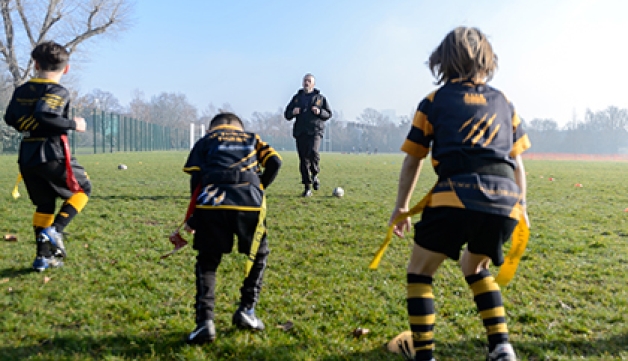 We publish our latest annual playing field protection statistics, with more than 1,000 saved or enhanced in the latest 12-month period.
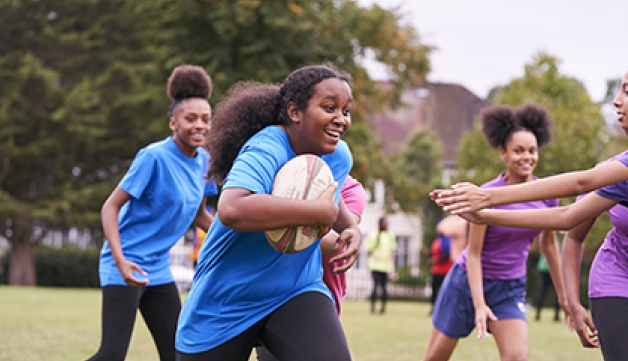 This was a £7 million pot with up to £10,000 available in match funding for Crowdfunder projects, as part of a Birmingham 2022 Commonwealth Games package to help community sport and physical activity groups improve places and spaces across the country.
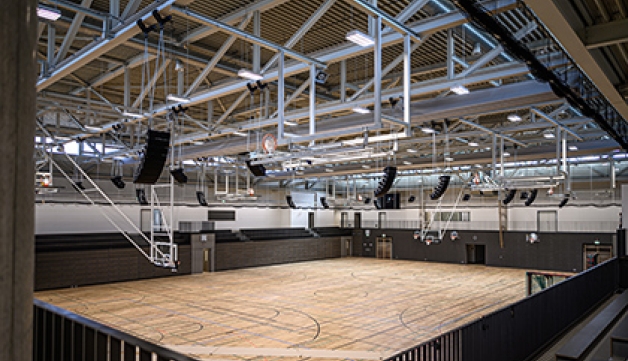 Our Strategic Outcomes Planning and Leisure Services Delivery guidance documents help you to make effective investments into facilities and services, as well as capital projects.
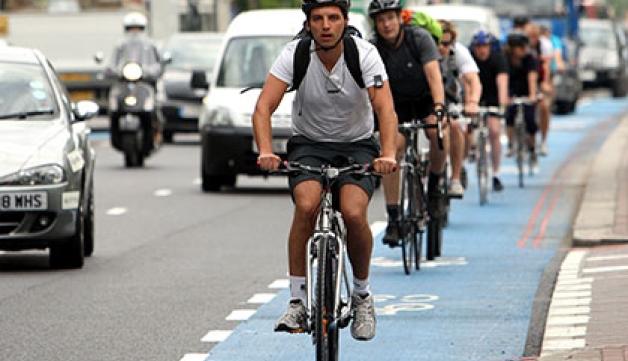 The government's plans also include crucial changes to the Highway Code that aim to improve safety for cyclists and pedestrians.
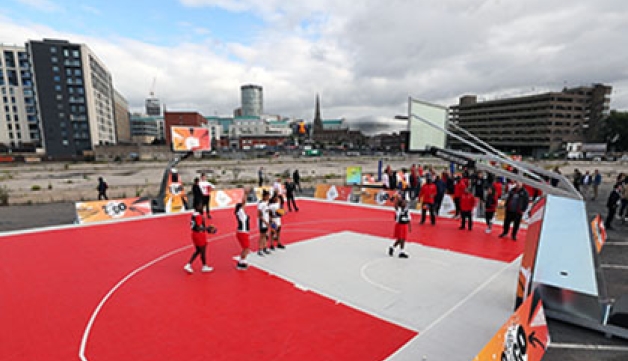 With just 365 days until the next Commonwealth Games, we detail our commitment to creating a lasting legacy.

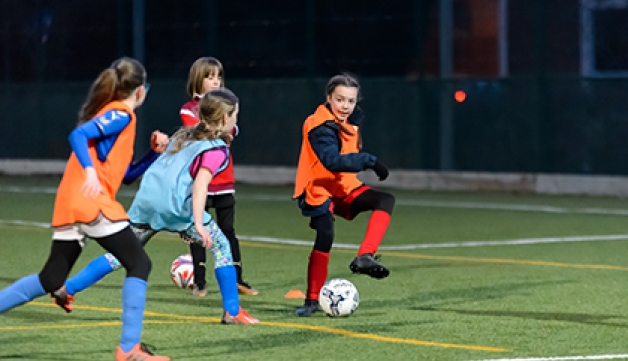 We issue a joint statement with other bodies responsible for public health to encourage collaboration between local leaders and sports providers to facilitate a safe return to play.

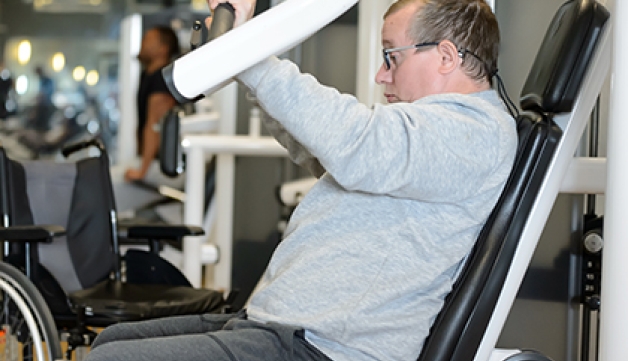 More than 250 local authorities have now received an allocation from the £100 million National Leisure Recovery Fund.


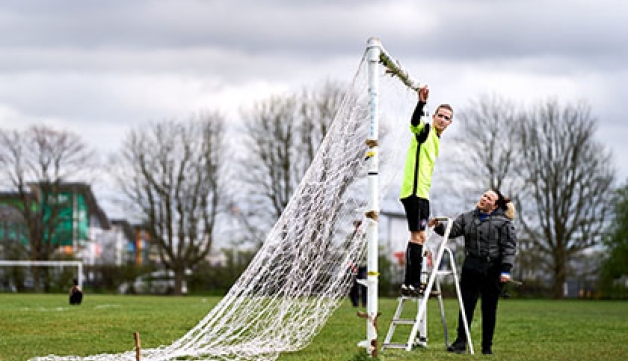 New figures show we continue to uphold our commitment to protecting and enhancing playing field provision.
 We're administering the government's £100 million fund for local authority leisure facilities.
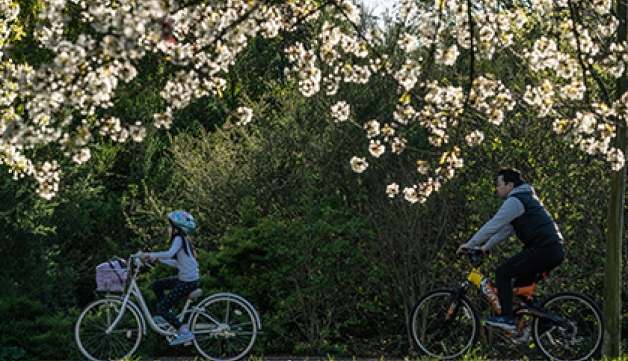 Our local area insight tool allowing users to create a report for your own custom aggregation of areas and select the data theme you wish to view.
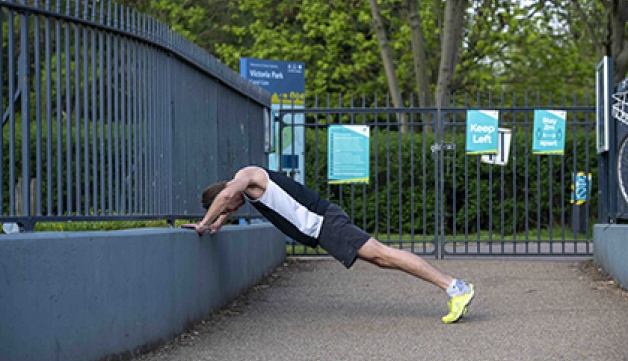 Our local area insights tool allows users to view more than 7,000 data sets giving insight into your chosen location, from sources such as the Office for National Statistics.
 Our local area insight tool map explorer lets you user interactive mapping to visualise data across the nation.
 Our area reports tool allows users to visualise data as charts, tables and infographics for a chosen area of the country.
 Whether you need information to support a grant application, advocate for more facilities or to give you a greater understanding of the people you work with, our Local Area Insights tool can help you provide the evidence base.
 Our Autumn and Winter Activity Toolkit will help sports and physical activity providers to assist more people to stay active this winter despite the coronavirus (Covid-19) crisis.

 Hygiene for sport and physical activity - how we can stop the spread of coronavirus and keep our environment safe for everyone.
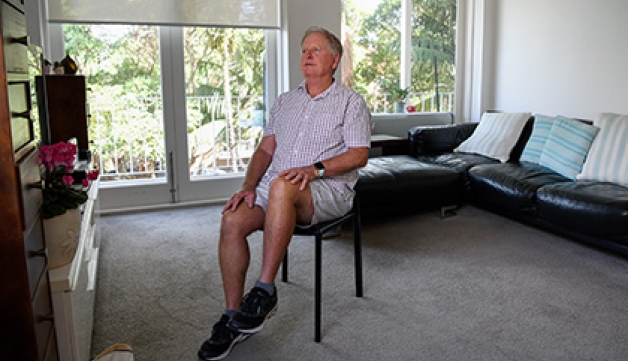 We've teamed up with Public Health England to produce a booklet aimed at helping older adults keep active at home.
 Our coronavirus hub had information and support for the sport and physical activity sector, including funding and the latest research on activity levels.
 We're making up to £195 million of funding available to help the sport and physical activity sector through the ongoing coronavirus (Covid-19) crisis.
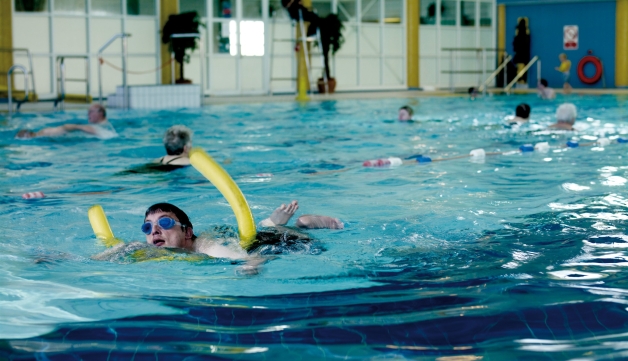 Swimming is the fifth most popular activity in the country and here we detail our work in the area, what we've learned and how that can help you.
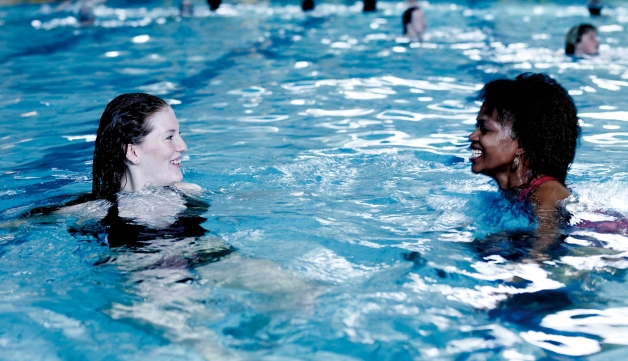 What we know about some of the most popular activities, in terms of participation, what's working to get people active and what tools and resources we have.
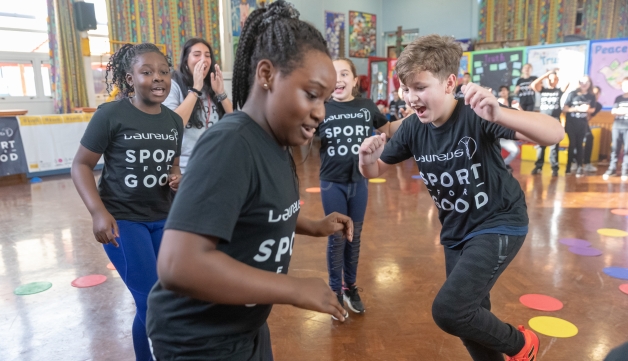 How schools can open up their facilities to community use.
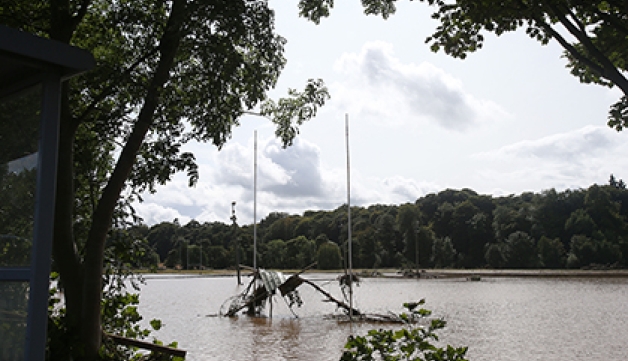 Grants of National Lottery funding up to £5,000 could help repair damage to pitches and facilities.

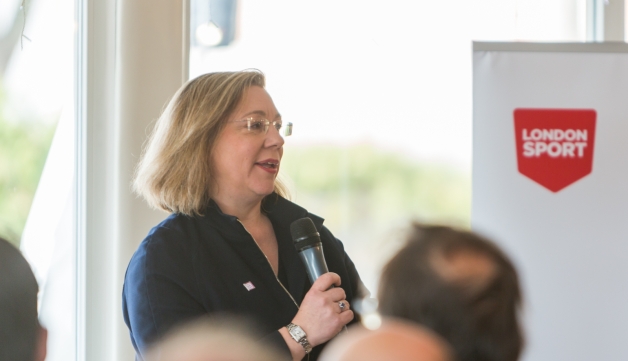 A grassroots sports organisation has unveiled its aim to make London the most physically active city in the world.
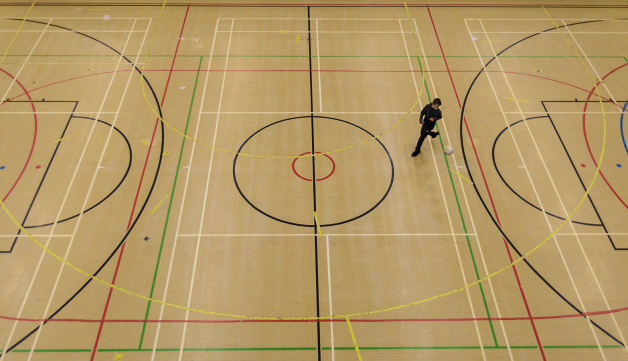 All local authorities in England can now show how sport benefits their economy thanks to a new modelling tool launched by Sport England
 Updated guide offers advice to planners on how to incorporate sport and activity into community spaces.
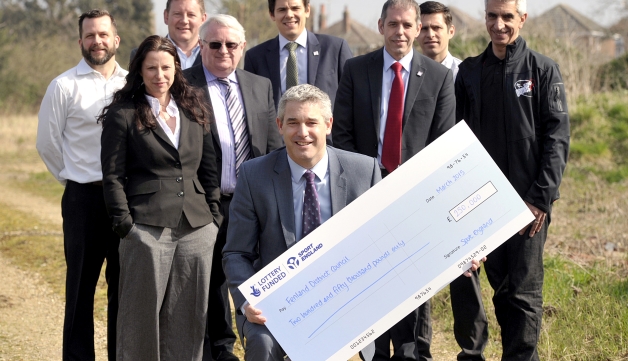 A series of sports roadshows are to be held across Fenland this summer as part of a concerted bid to get more people involved in all kinds of sport
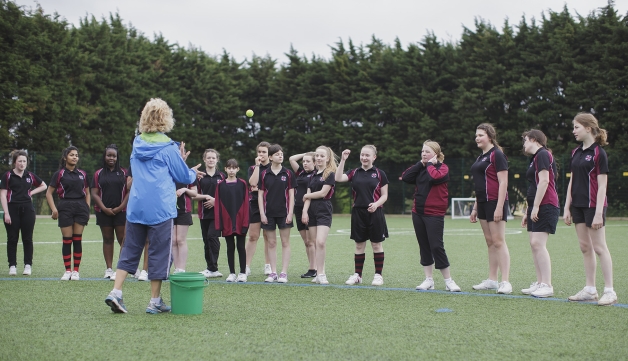 Would your school like to take part in a pilot project that will improve the quality of PE and sport you offer?
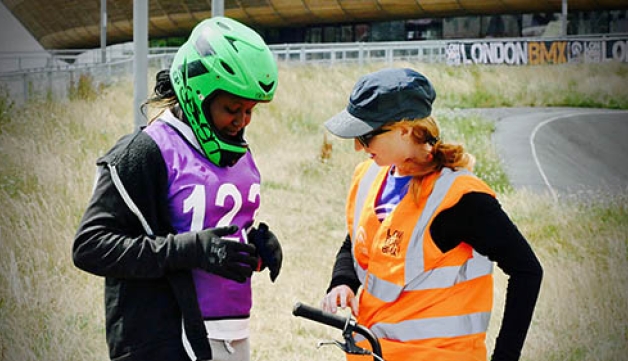 A geographic information system is a digital system for capturing, managing, analysing and displaying all forms of spatial data.
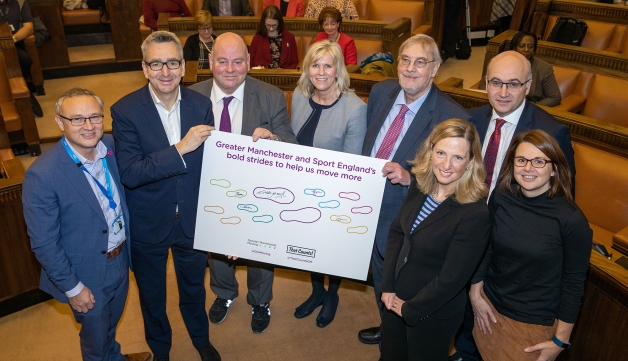 We've refreshed our unique agreement with Greater Manchester to help decrease inactivity in the region.
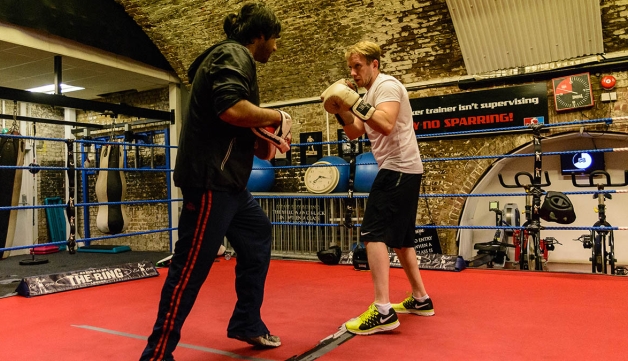 The planning system plays a crucial role in providing access to high-quality facilities so everyone can play sport and be physically active.
 Guidance on the Sport England and National Lottery logos, how and when you use them, and how to download them, plus support to publicise your funding.
 Look though our archive of key press releases since 2015.
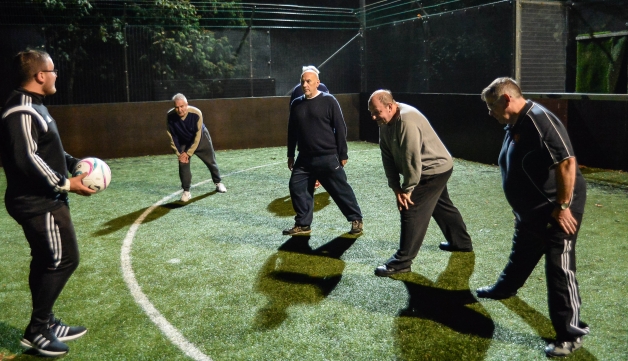 This investment guide explains our approach to tackling inactivity, with support and guidance for organisations who'd like to work with us.