With a background as a qualified dance teacher, senior mental health lead and life coach among others, and with over 25 years teaching trauma-informed approaches, I invited a few colleagues to join me for a music-assisted walk.
I chose songs that helped me heal, put on the headset mic and coached them through the session.
The effect was instant. The energy was electric. Silent Steppers was born!
A community that keeps growing
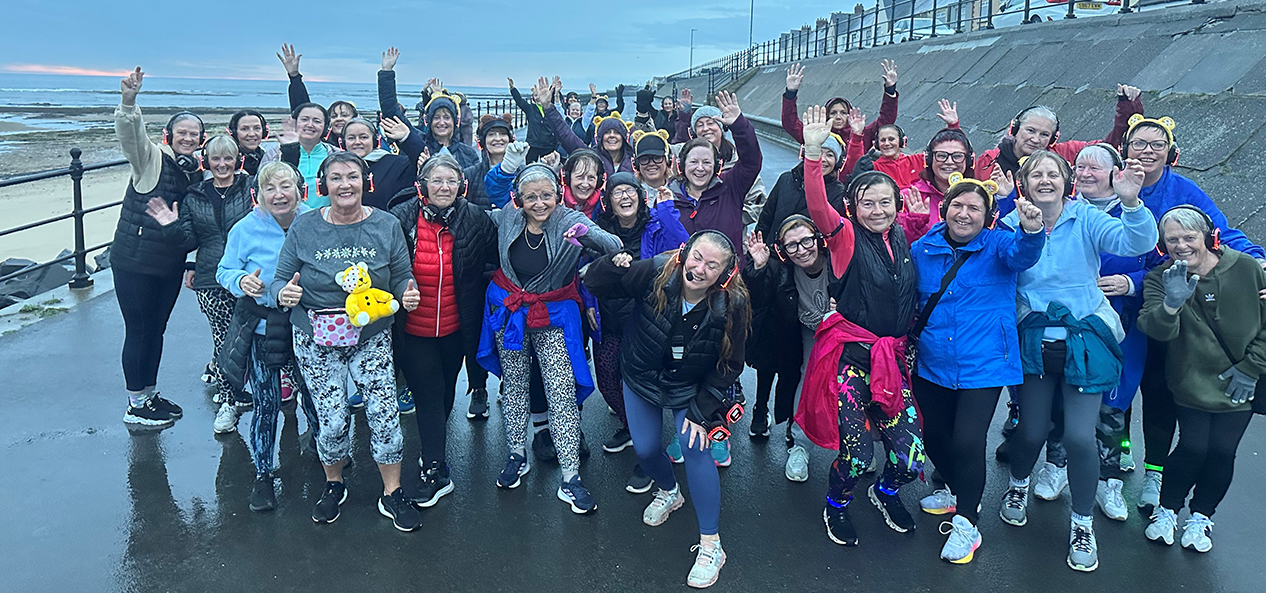
Fast forward under a year and Silent Steppers now has hundreds of participants every week that include children, right through to our oldest Stepper aged 83.
We train in all weather – rain, wind, sun and/or coastal gales – and the tougher the conditions, the more bonded the group becomes.
Alongside our main sessions, we now run Steady Steppers, a slower-paced, mobility-friendly version designed for those with disabilities, injuries, chronic conditions or lower fitness levels.
These sessions offer the same music, the same mindset coaching and the same sense of achievement, just at a pace that feels safe and accessible for everyone involved.
The physical and mental impact across both groups has been extraordinary and participants have reported improvements of different kinds like weight loss, better fitness levels, plus better balance, coordination and confidence.
Others have mentioned being able to return to exercise after cancer treatment or joint replacements, a reduced reliance on mental health medication (always under GP guidance), stronger mobility and the ability to jog for the first time in years, and, overall, significant improvements in mood, stress levels and wellbeing.
And if all of that wasn’t enough, overwhelmingly, people describe Silent Steppers as their escape – an hour where they can lose themselves, breathe differently and feel part of something special.
The outdoors connection
Taking Silent Steppers into outdoor public spaces has created something truly magical.
We dance-walk along promenades, move through parks, train beside the sea and often stop people in their tracks who just smile when they see us.
Week after week, members of the public pause to watch us, cheer us on, take photos or even start dancing as we pass. People tell us we’ve made their day, how amazing we look or how we lift their mood.
Many now recognise us and come back each week just to see us in action because our group's energy is infectious.
These interactions have become part of the heartbeat of Silent Steppers, and proof that movement and joy ripple far beyond the people wearing the headsets.
Challenges and what we’ve learned
I must admit, however, that with popularity comes challenges.
We only have 60 headsets, which means waiting lists of 25+ people are becoming common.
I’m also frequently asked to run sessions across the UK – and even internationally – but with existing commitments, it simply isn’t possible.
However, I’ve now excitedly trademarked licensing training that'll launch in the new year, which will create opportunities for Silent Steppers leaders in towns and cities nationwide.
There are other key lessons we’ve also learned:
- When exercise is fun, people stick to it – many of our steppers are a year in and saying it’s the only thing they’ve ever stuck too.
- Authenticity matters, as people connect with honesty and real stories.
- Listening to the community and adapting accordingly is essential.
- Music profoundly changes the movement experience.
- Mindset coaching and Natural Language Processing (NLP) techniques amplify the emotional impact.
The future of Silent Steppers
The combination of music, scenery, encouragement and community creates an empowering, accessible and inclusive atmosphere that translates into a wellbeing experience unlike any other.
It fills me with pride that what started as a personal coping mechanism has now grown into a nationwide wellbeing model, supporting hundreds every week.
I also love that Silent Steppers is reshaping how people view exercise, mental health and community connection.
Silent Steppers is proving that exercise can be enjoyable at any age and ability. One dance step at a time.

 Our position statement highlights the vital role sport and physical activity can play in delivering local growth, prevention and wellbeing ambitions, as greater decision-making powers are transferred to communities.
 The Government has announced a £1 billion investment in PE and school sport to ensure equal access for every child and tackle childhood obesity.
 Latest Active Lives data shows continued progress as focus remains on tackling inequalities and supporting those facing the greatest barriers.
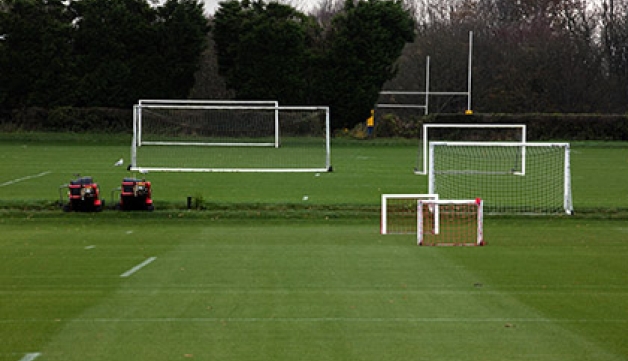 The latest data indicate our role as a statutory consultee saw 94% of all concluded planning applications involving playing fields result in the protection or improvement of facilities.
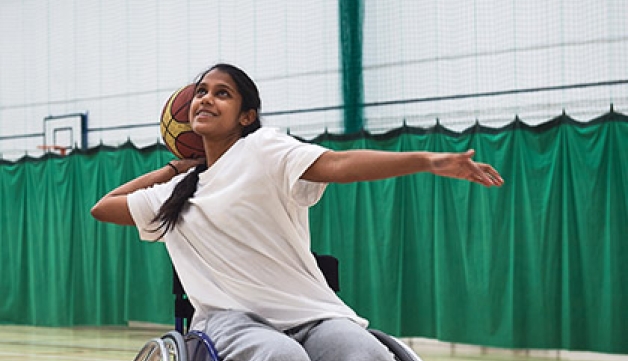 More children than ever are taking part, but too many are missing out on the benefits of an active lifestyle.
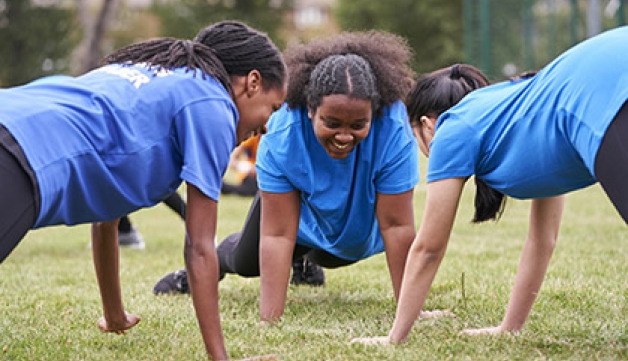 The latest figures come from the second year of our social value model, which also shows a potential extra £20 billion of social value available by tackling inequalities.
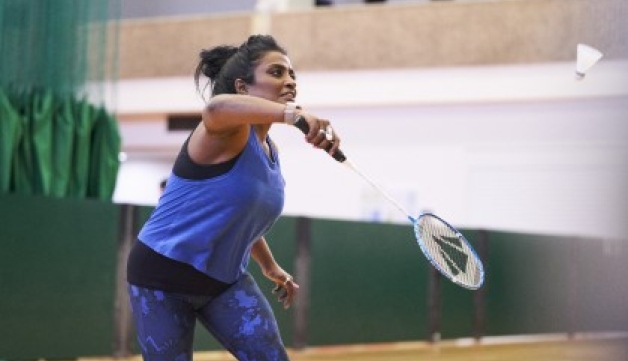 The figures come from our latest Moving Communities report, which also shows an increase in women using the facilities, quality of facilities and highlights their value to society.

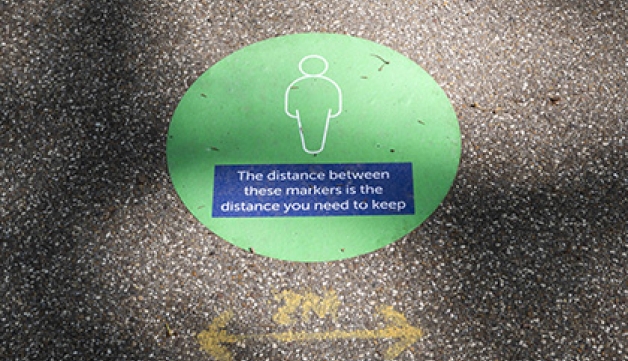 In 2020 we looked for innovative solutions to support those most affected by the coronavirus (Covid-19) pandemic and offered support (financial and non-financial) to ensure that they could continue with it.
 We’ve invested a further £700,000 in the sector-wide initiative that aims to make it easier for people to find opportunities to get active through better use of data.
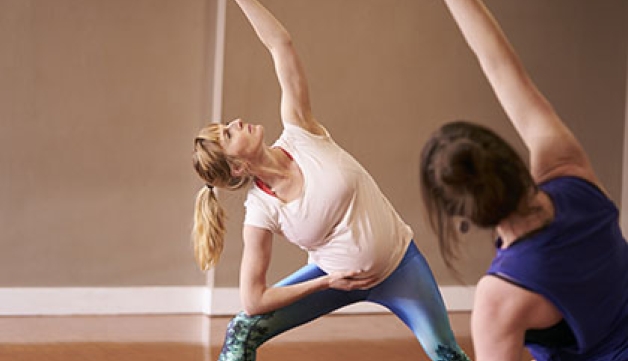 We'll work with the charity to better support pregnant women and new mums to be active and reduce inequalities in their activity levels.
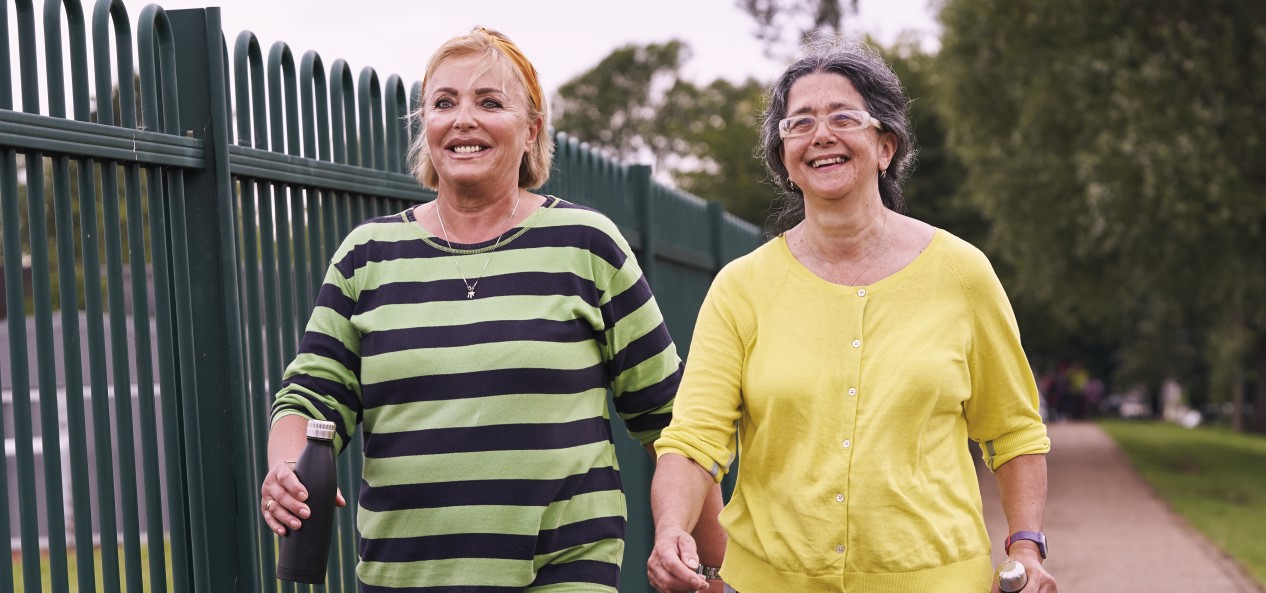
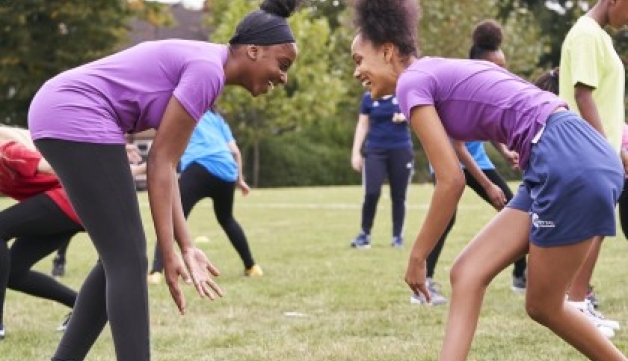 Leading the Movement will support and connect decision-makers working to make sport and physical activity accessible and inclusive to everyone.
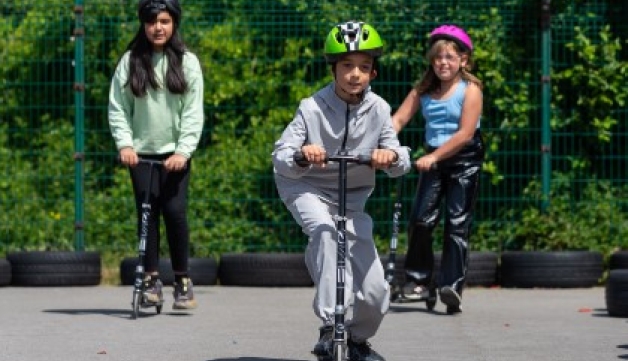 As new research finds the JU:MP programme we funded is having a significant impact on getting children active in Bradford, we’re investing an extra £4 million into the city.
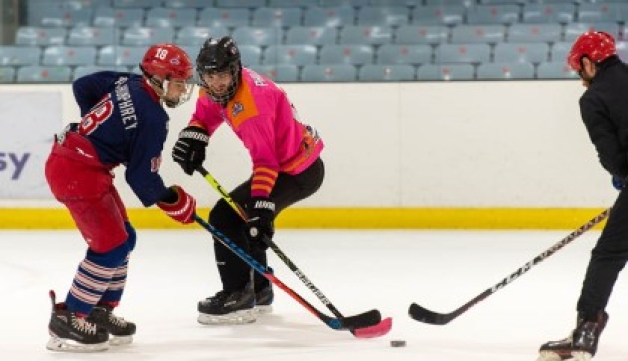 Significant growth in activity levels for older adults and disabled people but more work to do to support those living in the most deprived places.
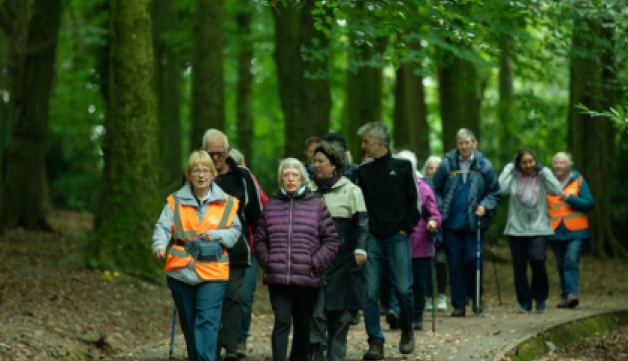 Our Inequalities Metric measures how different personal, social and economic characteristics combine to influence activity levels.

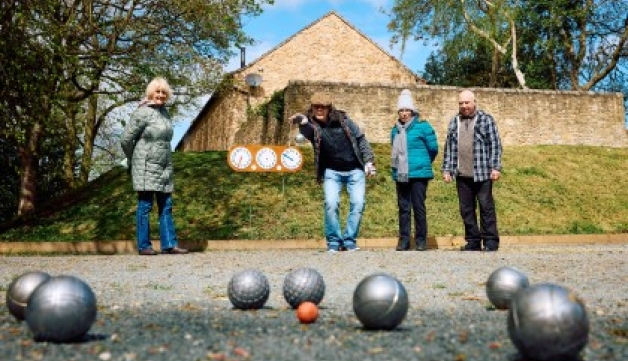 We're working with 53 new places across England as we amplify our work to ensure those in greatest need can be active.
 Exploring the role that alternative and parallel sport organisations and structures play in tackling inequalities in physical activity.


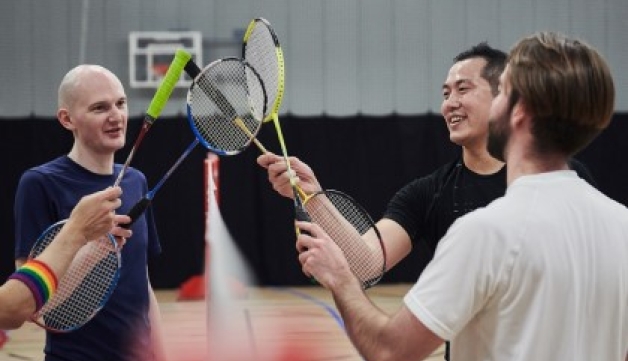 Our Place Universal Offer will support Active Partnerships in England to supercharge efforts to tackle inequality and inactivity.
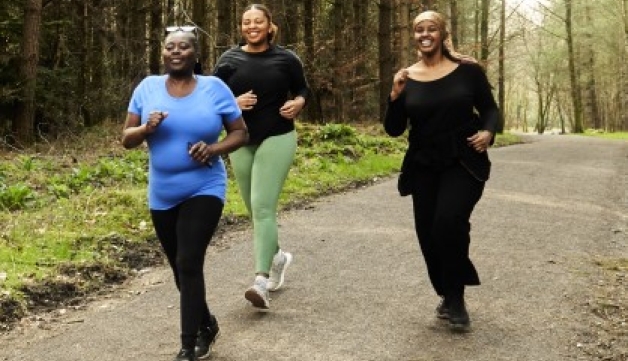 We've calculated the annual social value of community sport and physical activity to be more than £120 billion, with a return on investment of £4.38 for every £1 spent.

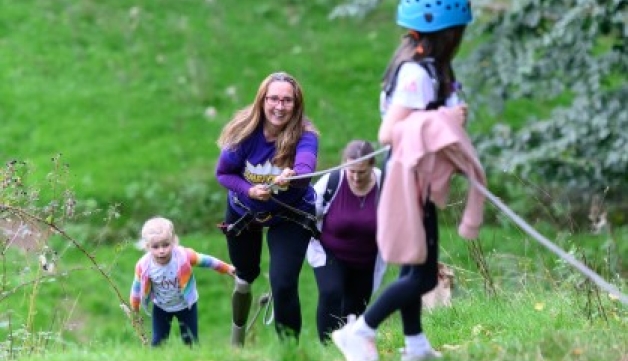 Our Pilot Fund awarded an average of £233,000 to 18 projects around the country.
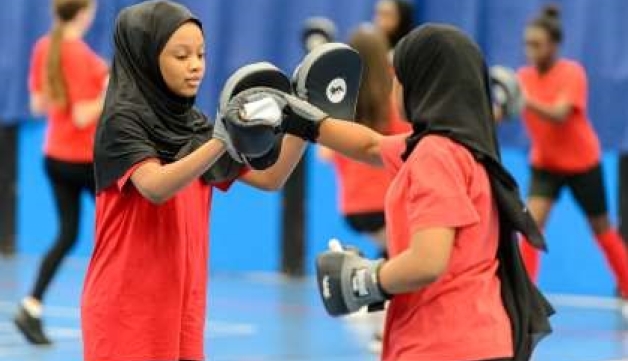 We've produced new guidance for planners, architects, building owners and operators, to help ensure sport and leisure facilities are safe, welcoming and accessible to all.
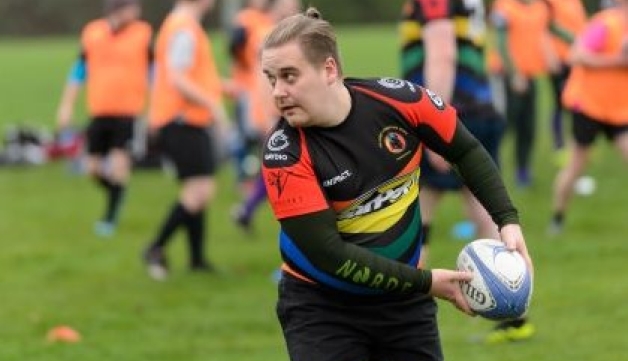 We've developed a tool that provides estimates of physical activity and inactivity for small areas across England.
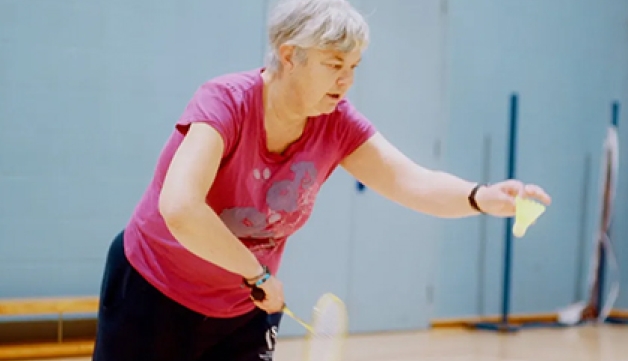 Sport in Mind, a multi-award-winning charity that works in partnership with NHS trusts, is one of the charities we funded to help people with health conditions improve their wellbeing and combat sedentary living.
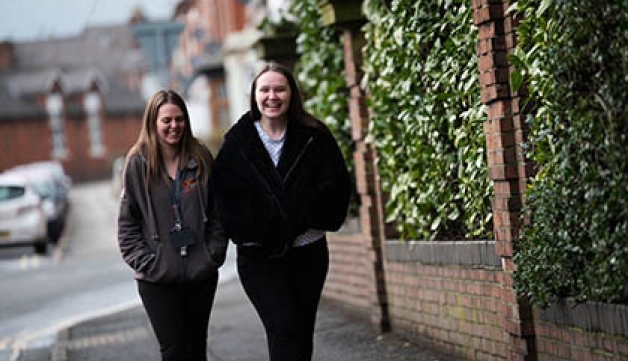 The Increasing Physical Activity in Psychological Treatment (IPAcT) pilot project explored how to integrate physical activity interventions into existing psychological NHS treatment for depression.
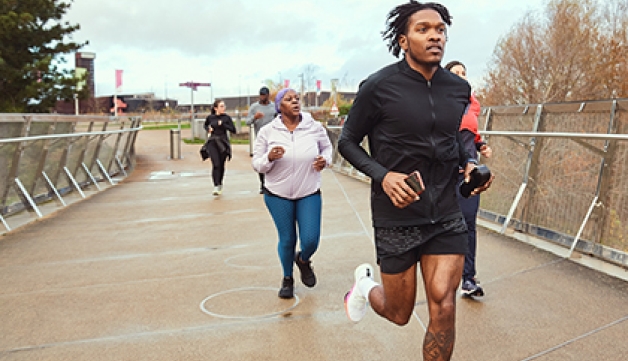 We’re making new funding available to tackle major differences between demographic groups and places.
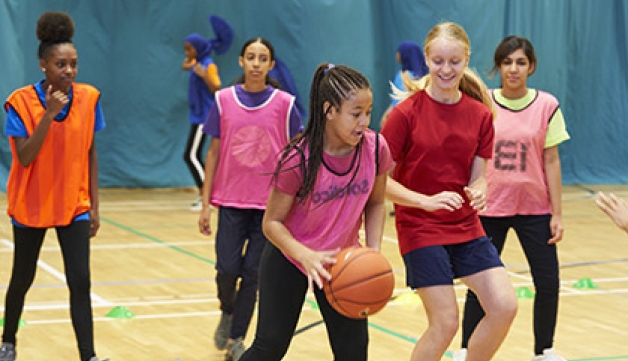 Details about our historic funds that have been closed down in recent years.
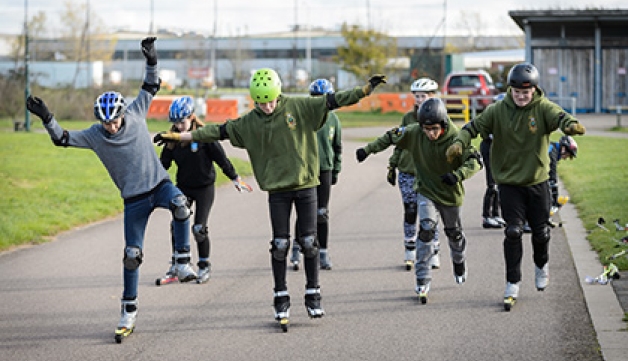 The impact of our funding over the years, including from our previous Small Grants and Active Together programmes.
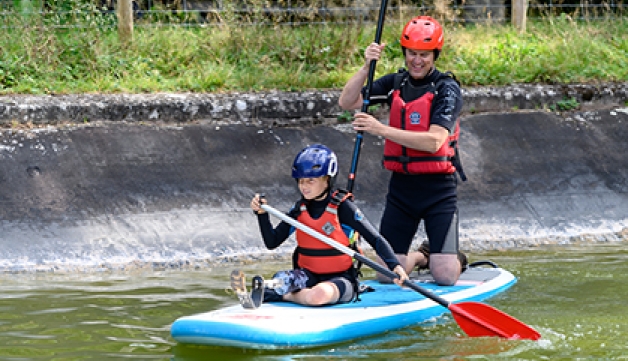 We offer up to £15,000 for physical activity projects in the community. The focus is on people who face barriers to activity and projects designed to help them join in.
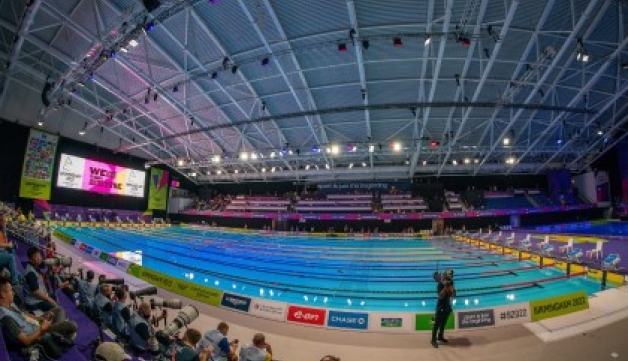 A 'one year on' evaluation report published by the government shows the lasting impact Birmingham 2022 has had on widening access to sport and physical activity.
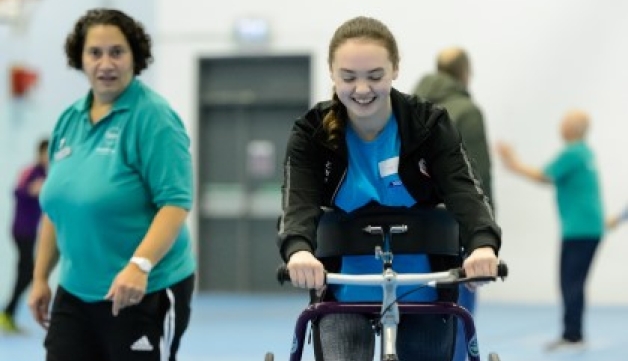 Innovation is critical to making sport and physical activity accessible and relevant to many more people.
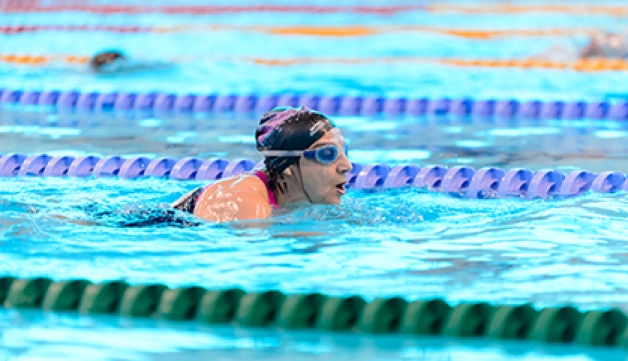 Phase II of the fund sees £60 million of exchequer and National Lottery funding split between 325 pools in more than 260 local authorities.

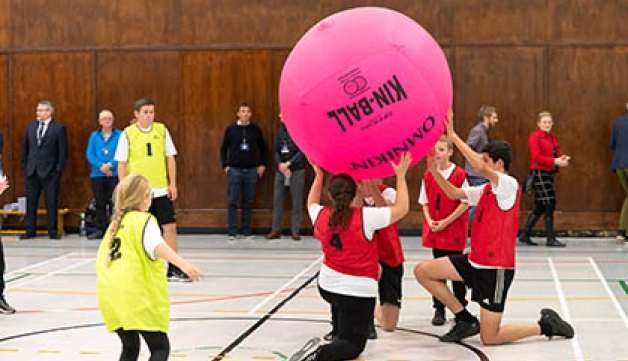 We’re investing a further £250m into this groundbreaking and innovative work.


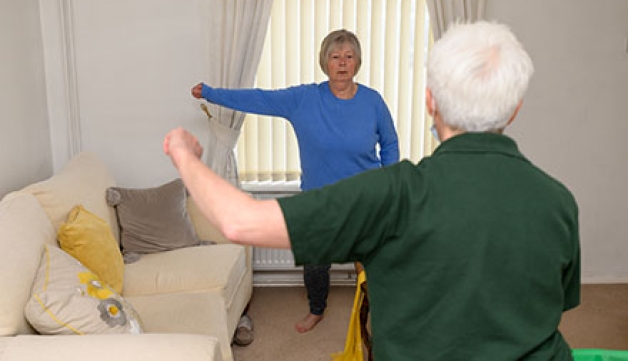 These are the different tools used during the programme and the key outcomes on the different stakeholders, including the work of healthcare professionals with their patients, and on the wider health system.


