Making funding accessible
Making it easier for everybody to apply for Sport England funding is a key pledge in our Uniting the Movement strategy.
The Movement Fund now operates with more open and less restrictive criteria, and it has become a single point of entry for grants and crowdfunding opportunities.
Applicants also have clearer expectations of our process and, as a result, we’re seeing National Lottery funding support a diverse range of projects.
Whether we're talking about first-time applicants, organisations that have received funding before or organisations that are brand new or well-established, the Movement Fund is helping more communities access the funding to make their projects a reality.
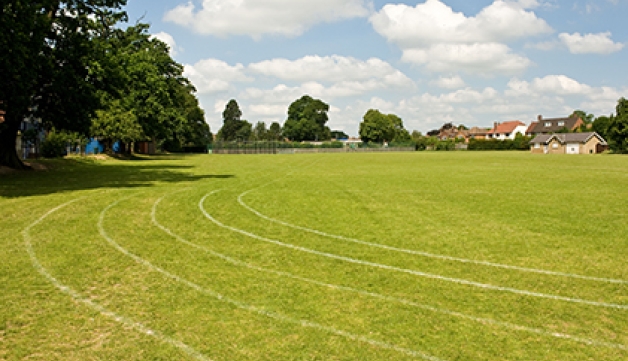
Like Par Track, which was awarded £10,000 to professionally deep clean and reline Cornwall's only UK Athletics licensed athletics track, helping them sustain opportunities for athletics, but also to support people of all ages to be active and to come together as a community.
Getting funding to where it is needed the most
The simplicity and openness of our Movement Fund is giving communities and organisations the freedom to identify local needs and to bring forward their own ideas too, enabling us to get National Lottery funding to where it is needed the most.
And 72% of funded projects through the Movement Fund are reaching people who are less likely to be active and that are in places where more need exists.
Funding is also helping organisations break down barriers to physical activity in their communities.
For example, Dance Mojo have been able to expand their Zumba sessions and have more impact in their community through their National Lottery funding support.
Additional targeted sessions have also helped the organisation remove financial barriers to participation, enabling people experiencing financial hardship or accessibility challenges to access tailored activities that otherwise would have been out of reach.
Meeting people and communities where they are at
Within the investment management team, we try to spend as much time as possible talking with the communities and visiting them too.
Whether that’s attending local events and funding fairs, or working with trusted local partners to share information and data about what we fund and where it goes.
Since January our dedicated investment advisers have had more than 38,500 interactions with people contacting our funding advice service for support and guidance.
Meeting more people and their communities where they are at, helps us understand their needs and it ensures we fund projects that provide opportunities for people to be themselves, like the activities delivered by The Joshua Tree.
Their National Lottery funding has enabled them to offer an inclusive physical activity and wellness programme for children and families affected by cancer, giving children a sense of their childhood back.
Something that’s key, because as explained by the organisation:
“When a child’s life is filled with hospitals (…) and worry, the opportunity to feel in control of their body, use it positively, and experience joy and confidence is incredibly powerful."
National Lottery funding really makes a huge difference by helping people feel welcome, confident, connected and able to take part in sport and physical activity in ways that work and matter to them.
This is why, every day, we feel privileged to play our part in turning lottery players’ contributions into opportunities that help communities change lives.

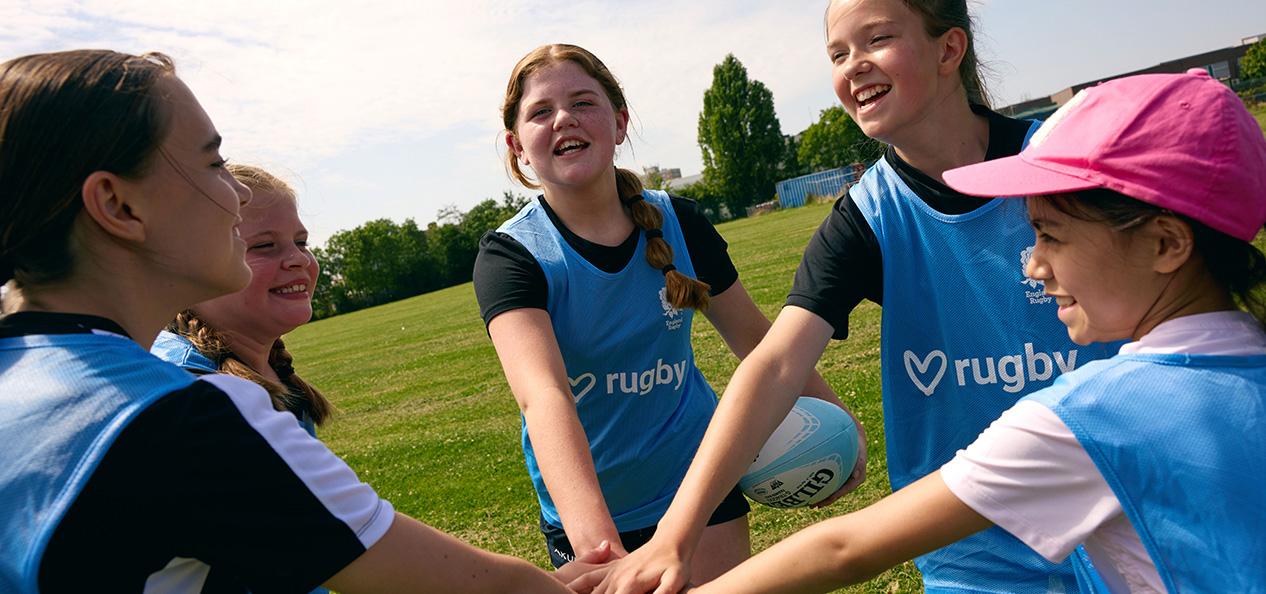
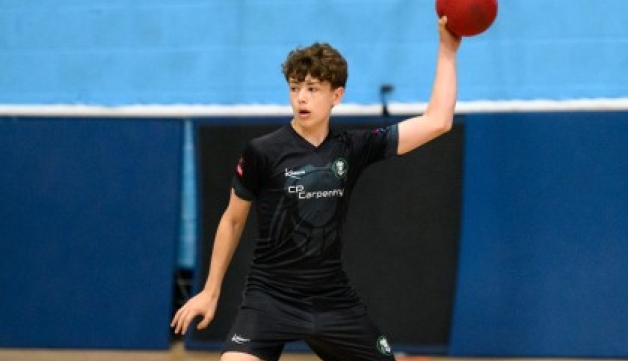 The government is investing £22.5m in enrichment activities for young people at more than 400 secondary schools in disadvantaged communities.


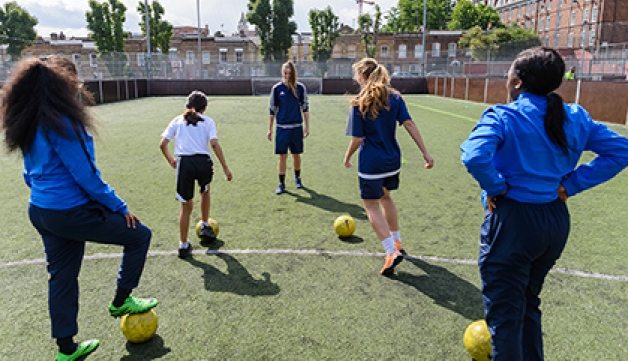 The Prime Minister plans to give local people more control over investment in sport and physical activity in their regions.
 The Government wants to understand how Lottery funding can continue to reflect people’s priorities, reach the communities that need it most and make funding easier to access.
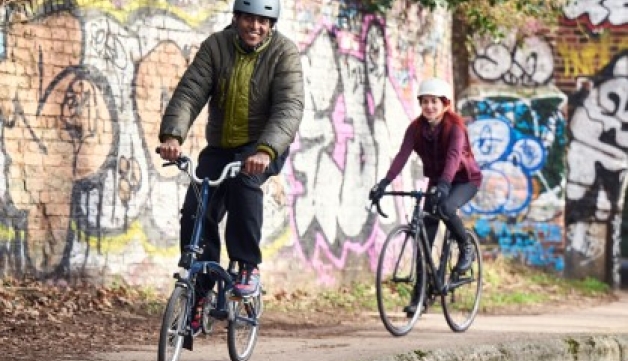 Our position statement highlights the vital role sport and physical activity can play in delivering local growth, prevention and wellbeing ambitions, as greater decision-making powers are transferred to communities.
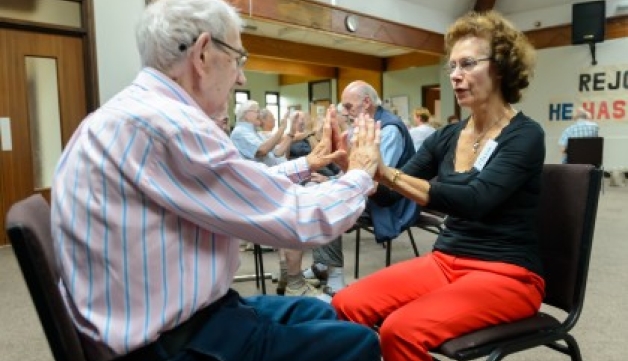 Helping local leaders, strategic authorities and partners better understand the role sport and physical activity can play in delivering local growth, prevention and wellbeing ambitions.
 The Government has announced a £1 billion investment in PE and school sport to ensure equal access for every child and tackle childhood obesity.
 Sport England's position statement on devolution policy.
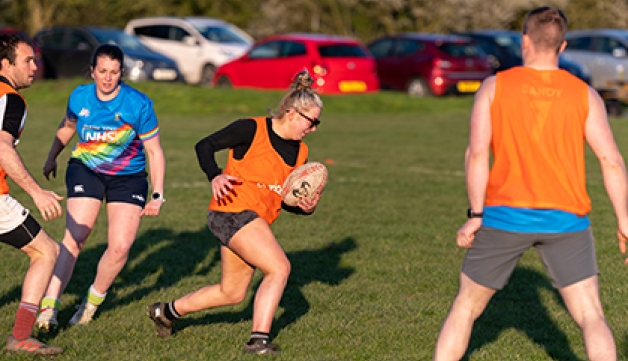 Frequently asked questions on the Sport Survival Package Borrower Playbook.
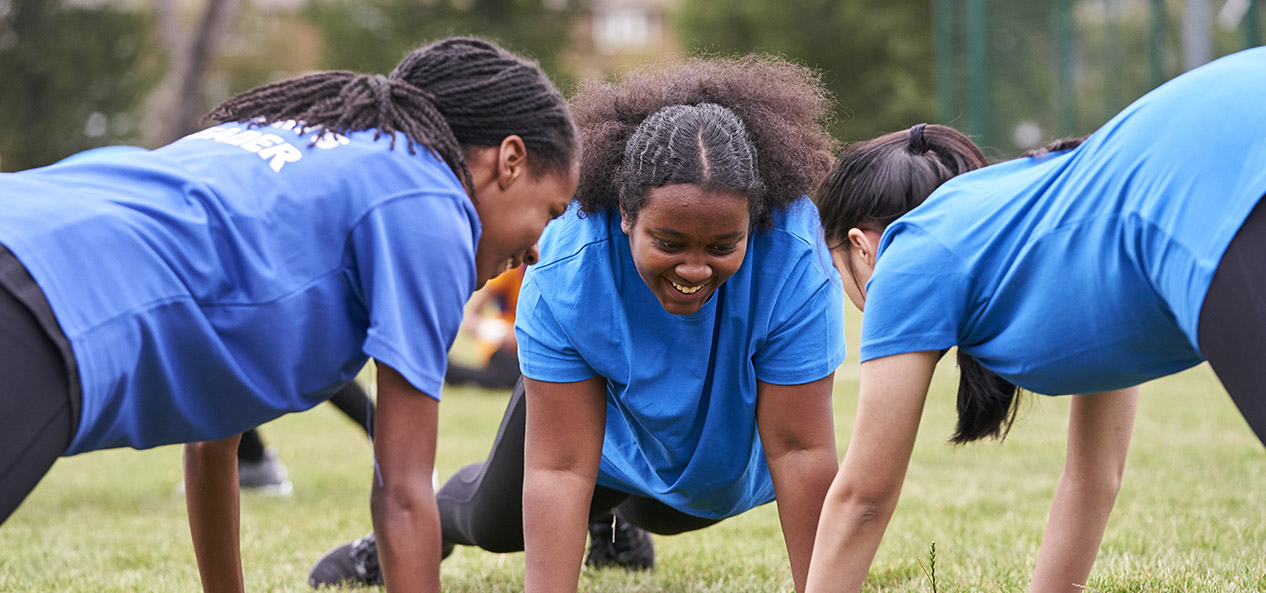
 The reappointments have been made by the Secretary of State and took effect from 1 January 2026.
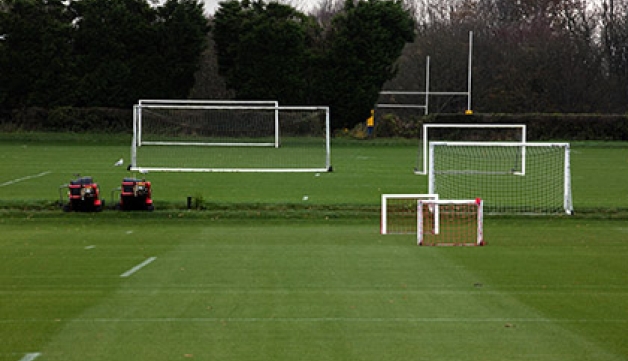 The latest data indicate our role as a statutory consultee saw 94% of all concluded planning applications involving playing fields result in the protection or improvement of facilities.
 Our chair publishes statement following opening of Government's planning reform consultation.
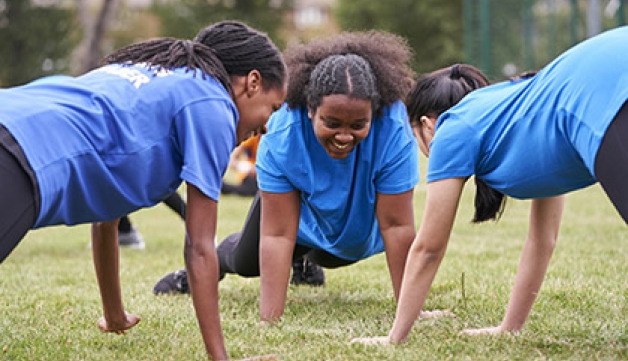 The latest figures come from the second year of our social value model, which also shows a potential extra £20 billion of social value available by tackling inequalities.

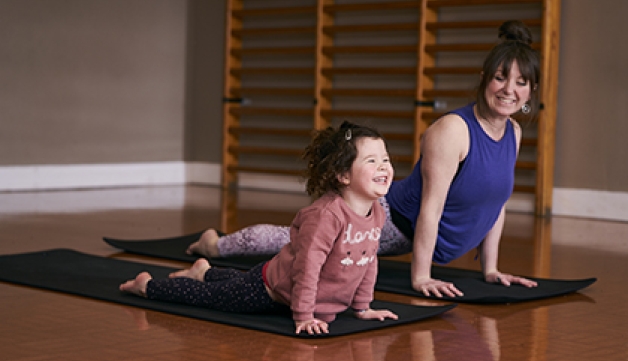 Let's Move uses real families as inspiration for how to stay active during the autumn and winter months, when parents expect their children's activity levels to dip.
 The decision follows talks between the NBA Commissioner and Prime Minister Keir Starmer in July.
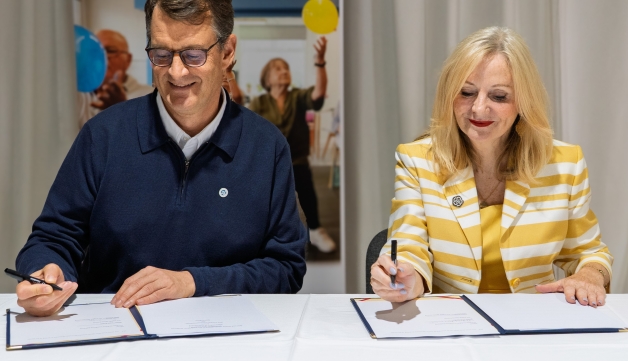 We’ve signed a joint pledge to embed sport and physical activity into the everyday lives of people across West Yorkshire, building on our investment in the region.
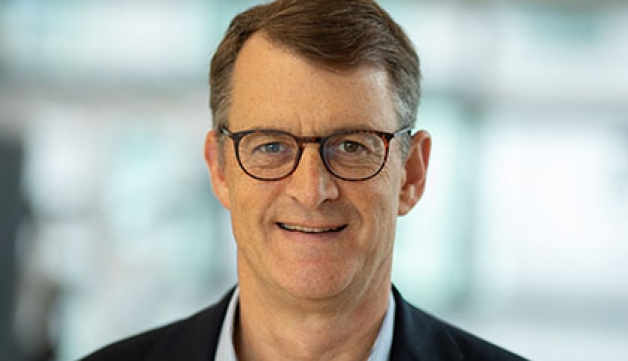 Simon Hayes joins Sport England from his previous role as chief executive of HM Land Registry.
 The appointees bring a wealth of experience and will help set our direction over the next three years.
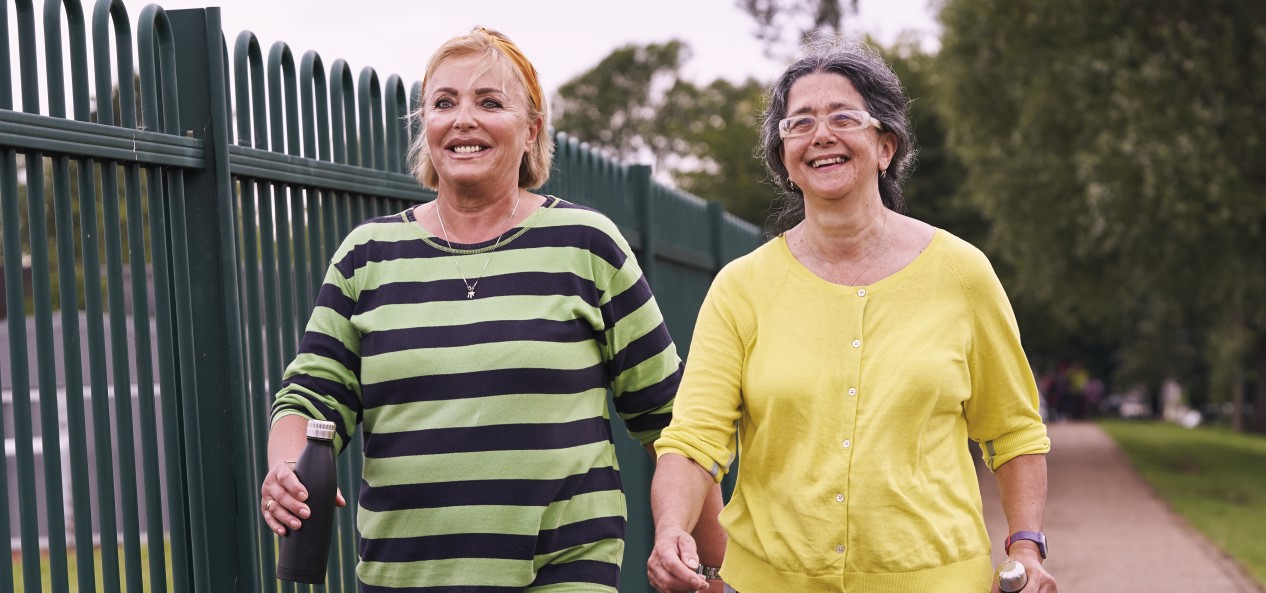
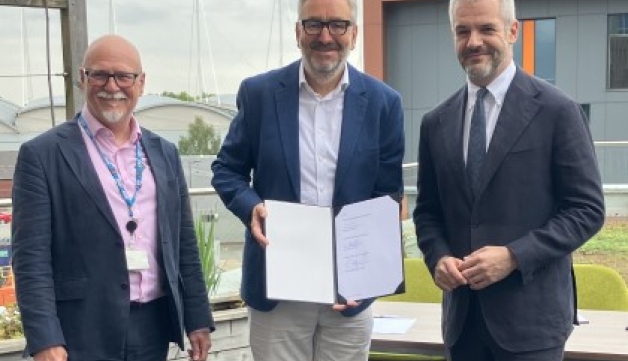 We've announced a major collaboration with the region's mayoral combined authority and integrated care board to increase activity levels and improve lives.
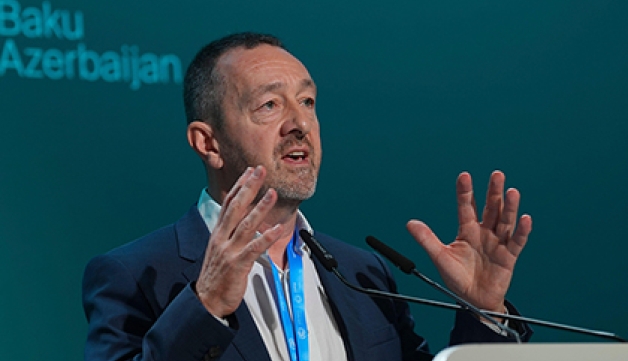 The Secretary of State has designated the active travel and sustainability advocate to lead our Board until 2029.
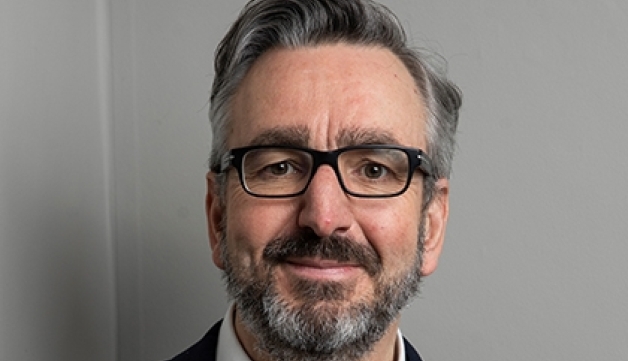 Our chief executive Tim Hollingsworth has written to the Culture, Media and Sport Select Committee following his appearance at the 'Game On' inquiry.
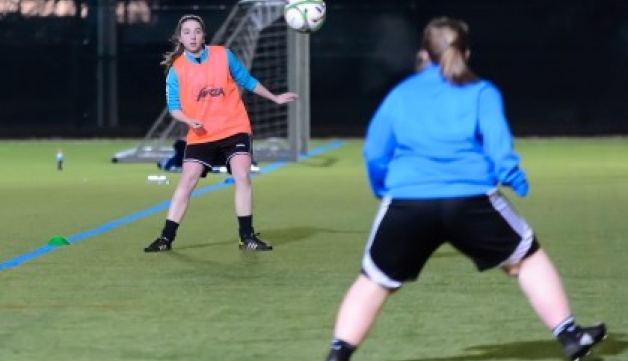 The government has committed £400 million to new and upgraded grassroots sport facilities across the UK, alongside £500m to support world-class sporting events.
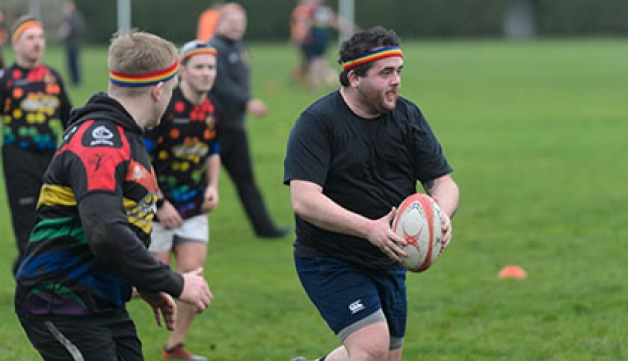 Information for sports organisations on enforcement and default for Borrowers involved in the Sport Survival Package.
 Information on consent matters as part of the Sport Survival Package Playbook.
 Guidance on monitoring and reporting obligations for the Sport Survival Package.
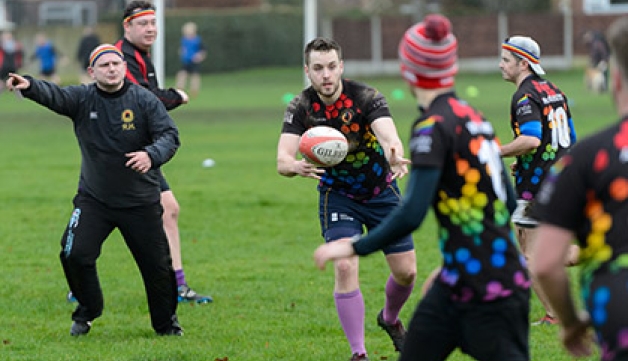 Guidance on early partial or full loan repayment of the Sport Survival Package, and what, when and how you repay your commitments.
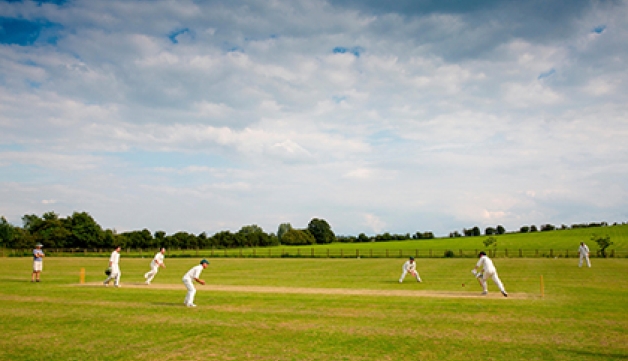 Our role as a statutory consultee saw 94% of all concluded planning applications involving playing fields result in the protection or improvement of facilities.
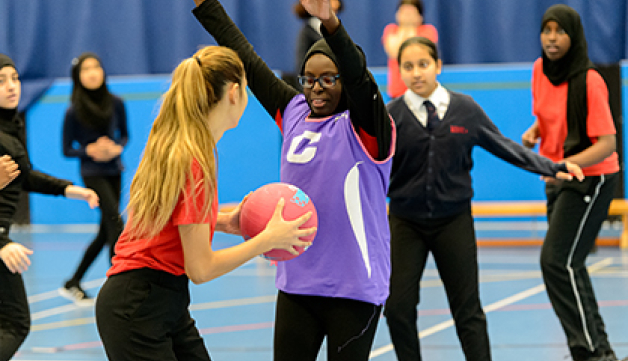 The legacy of Covid-19 means more must be done to give young people the best possible chance in life