
As England continues to experience a period of sustained heat, the latest evidence suggests that spells of extended hot weather are becoming an increasingly important difficulty when trying to be active.
Following the June heatwave, our Activity Check-in has shown that 71% of adults said they had experienced extreme heat during the previous 12 months.
Among those who had to endure extreme heat, 73% said they had done less sport and physical activity as a result.
Our study also says that the proportion saying the weather in the previous seven days was not suitable for being active increased almost fivefold, from 5% in August 2025 to 24.5% in June 2026.
Cost, time and confidence have long been recognised as obstacles to being active. These findings suggest that prolonged periods of hot weather are becoming another.
Not that hot weather is anything new. But the frequency of occurrence and the new highs reached are challenging resilience, and can turn opportunities for taking part in sport and physical activity from merely uncomfortable to unattainable for many individuals and communities.
Extreme weather is often framed in long-term and global terms, but it is undoubtedly already shaping when and how people take part in sport and physical activity today.
A hotter climate is already here
The past two years have shown how quickly weather patterns are changing.
June 2025 was England's warmest June on record, with two heatwaves during the month and temperatures across parts of eastern and south-eastern England around 3°C above the long-term average.
That record was surpassed in just one year as June 2026 then became England's new warmest June on record with a mean temperature of 17.1°C and temperatures reaching 37.7°C during the heatwave towards the end of the month.
For the sport and physical activity sector this is no longer simply an environmental challenge. Heat is becoming a participation issue.
Previous research has already shown that climate change risks widening existing inequalities in sport and physical activity.
These latest findings build on that picture, suggesting that prolonged periods of hot weather are already affecting people's ability and willingness to be active.
What did we find?
We compared findings from two Activity Check-in surveys: one from August 2025, shortly after the June 2025 heatwaves; and one from June 2026, carried out immediately following that month's heatwave.
The proportion reporting exposure to extreme heat during the previous 12 months almost doubled, increasing from 37% in August 2025 to 71% in June 2026.
Among those who had experienced heatwaves, 73.2% said they had done less sport and physical activity because of them, compared with 63.1% in August 2025.
When asked about barriers to activity, there was also a marked increase in the number saying the weather was not suitable for being active during the previous seven days.
While both surveys followed record-breaking periods of hot weather, the latest findings suggest the June 2026 heatwave had an even greater impact on participation.



 Data can give a better understanding of how to help people get active. We’ve got a number of tools to help you understand our available data.

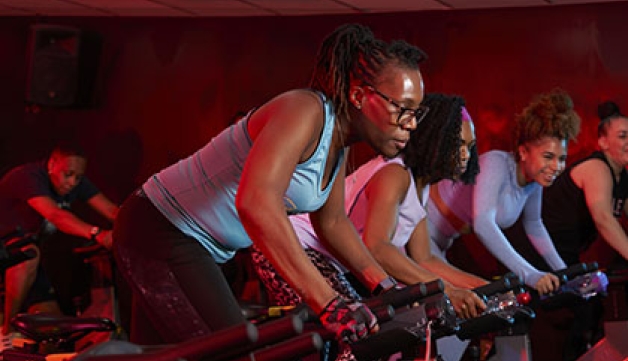 Our latest survey also shows activity levels are lowest for over 55s, disabled people and those with long-term health conditions.
 We have a wide selection of sport and physical activity images that are free for you to use, whether it’s for a brochure, banner, leaflet or report.
 Sign up to our image library to access a wide selection of sport and physical activity images that are free for you to use.
 We have a wide selection of sport and physical activity images that are free for you to use, whether it’s for a brochure, banner, leaflet or report.

 Our partnership with the British Red Cross has seen physical activity added to their support for lonely older adults.
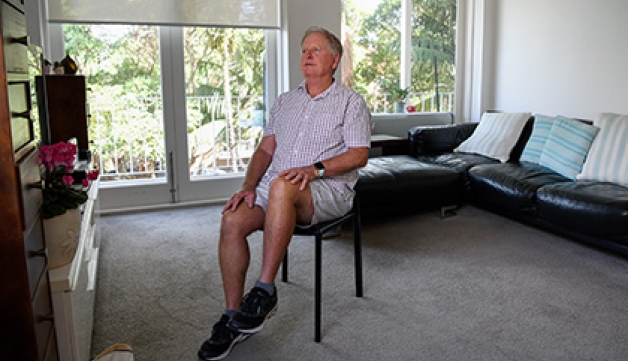 We've teamed up with Public Health England to produce a booklet aimed at helping older adults keep active at home.

 The future of more than 2,000 sports clubs and community organisations have been secured thanks to the first awards from our Community Emergency Fund.
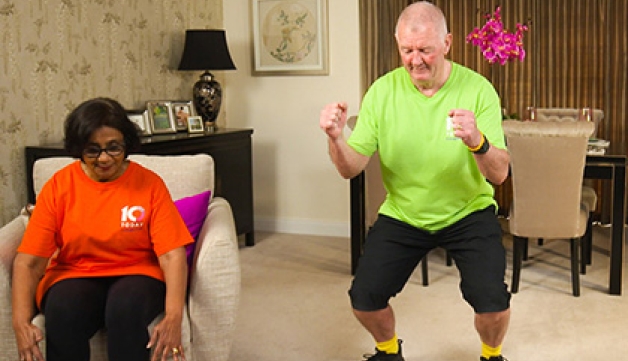 '10 Today' sessions will be broadcast on Radio 5 Live Sports Extra and via BBC Sounds to help older people stay active while they're at home during the coronavirus outbreak.
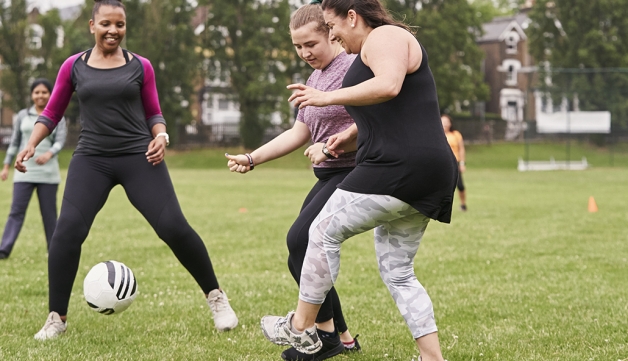 We've managed a £1 million government investment to put on the biggest and most inclusive five-a-side festival to date.
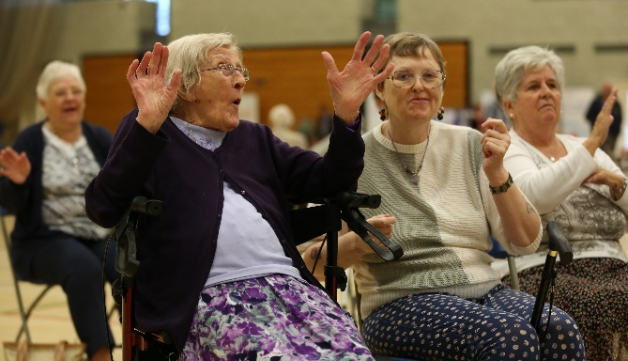 We’re shining the spotlight on a project in Norfolk that uses sport and activity to help those living with dementia.
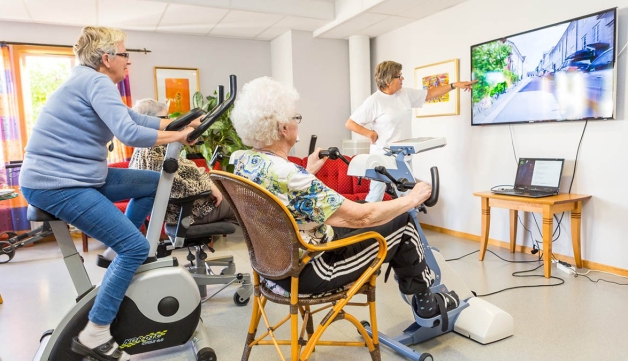 We’re investing up to £10 million of National Lottery money into 20 projects across England to reduce the number of inactive older adults
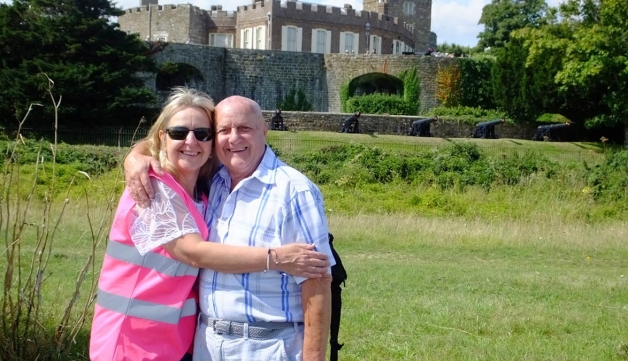 Stepping Out with Carers co-organiser, Sue Mott, tells us about a pilot project we're funding that's helping carers – and the people they care for – experience the joy of walking
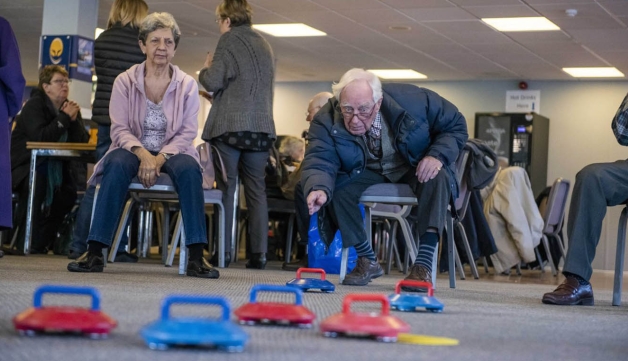 We're working with the Alzheimer’s Society to help people with dementia live active lives
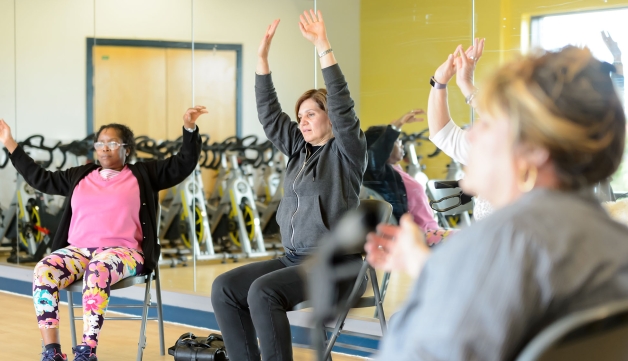 Innovative pilot scheme 10 Today gets £234,000 investment from our Active Ageing fund.
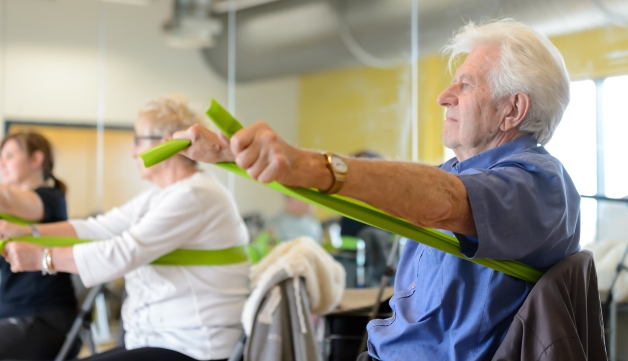 We invest in Carers UK to conduct research on why unpaid older carers are more likely to be lonely and inactive.


 As you get older, you're far more likely to become inactive. Read our research on older adults to find out some of the reasons.