We have partnered with NHS Talking Therapies services, City & Hackney Talking Therapies (Homerton Healthcare NHS Foundation Trust), LSCFT Talking Therapies (Blackburn with Darwen) and Rotherham, Doncaster and South Humber NHS Foundation Trust (RDaSH) to explore how physical activity could be embedded into treatment pathways in ways that reflected local needs, communities and strengths.
All sites are part of existing Sport England Place Partnerships with a shared ambition to tackle inequalities in sport and physical activity.
Rather than creating a single national model, each area was given the freedom to develop its own approach.
Tailored to local communities
Every Trailblazer site looks different, because every community is different.
In Hackney, through the Homerton Healthcare NHS Foundation Trust, the Talking Therapies service supports around 4,500 people each year, the team has integrated physical activity directly into therapeutic support.
Alongside the existing ‘Boost Your Mood’ offer for people receiving lower-intensity support, the service introduced ‘Move Your Mood’, delivered by a physical activity practitioner working as part of the clinical team.
The approach combines psychological support with opportunities to build movement into daily life.
In Blackburn with Darwen, where levels of physical inactivity are higher than the national average, NHS Talking Therapies partnered with the council's Health and Wellbeing Service and social prescribing team to co-deliver a behavioural activation programme.
Movement was integrated throughout the programme, using trusted community settings such as parks, leisure centres and local venues to help participants feel comfortable and supported.
Doncaster developed a model centred around workforce development and sustainable change.
A dedicated physical activity co-ordinator was embedded within the Talking Therapies service at the Rotherham, Doncaster and South Humber NHS Foundation Trust (RDaSH) to help introduce simple and accessible movement opportunities within group sessions while also building the confidence and skills of practitioners to have meaningful conversations about physical activity with the people they support.
The difference it's making
The evidence from our earlier pilot work suggests that physical activity may improve recovery outcomes and support a more preventative approach to healthcare.
The Trailblazer programme is taking those findings and testing how they can be applied, adapted and sustained in different communities.
Crucially, this is about making physical activity part of recovery and ongoing management, not an optional extra.
For the more than one million people who access NHS Talking Therapies every year, that means creating supported and achievable opportunities to move more, in ways that work for them.
This reflects a core principle of Sport England's Uniting the Movement strategy – that movement and health are fundamentally connected, something that’s appreciated by both patients and staff, which includes 94% of practitioners reporting that physical activity was very important in supporting mental health and wellbeing.
What happens next
The next phase of the Trailblazer programme will focus on strengthening the evidence base.
Over the next two years, we will continue to work alongside local sites, tracking outcomes and learning through a multi-site research programme.
Working with our delivery partner, Transformation Partners in Health and Care (TPHC), and our academic evaluation partner, the National Collaborating Centre for Mental Health, we will use this learning to inform national best practice and develop resources that can support wider adoption across local NHS Talking Therapies services.
We'll share more as the programme develops.
For now, our thanks go to the teams in Hackney, Blackburn with Darwen and Doncaster, and to all the practitioners, partners and participants helping to turn this ambition into reality.
Because when movement becomes part of mental health support, more people have the opportunity not just to recover, but to thrive.

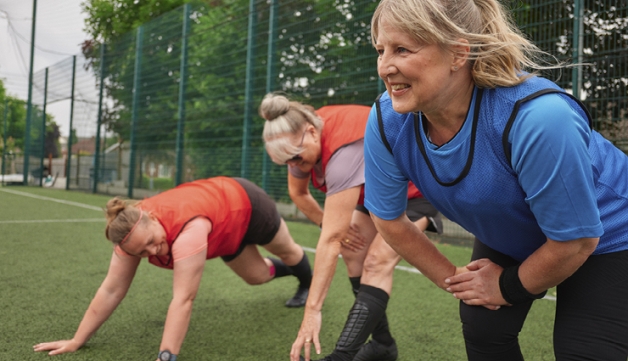 Move for 10 aims to make the thought of incorporating activity into everyday life more achievable.
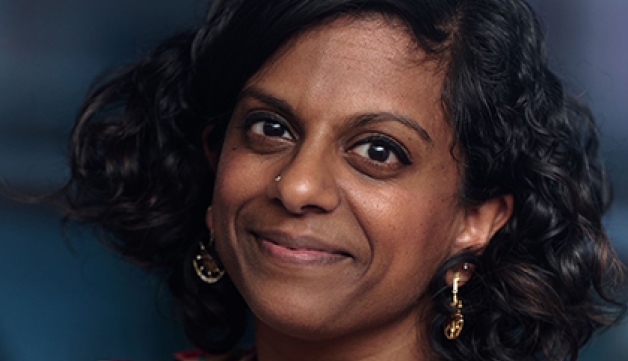 Angela Balakrishnan will join as Executive Director for Policy and Communications in September.
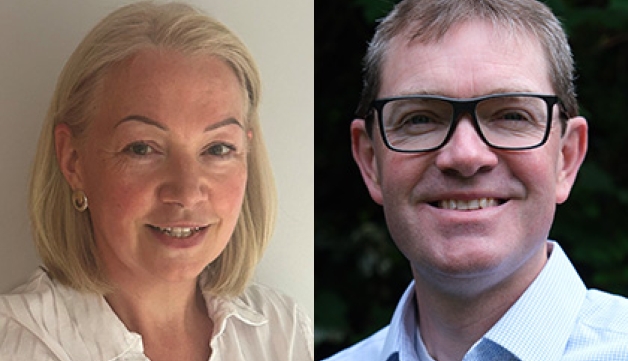 Nick Percy and Amy Rice will join the organisation in the next few weeks.
 Latest Active Lives data shows continued progress as focus remains on tackling inequalities and supporting those facing the greatest barriers.
 Technical note to accompany the Active Lives Adult Survey 2024/25, conducted by Ipsos.
 We’re investing £25 million in our Place Universal Offer until 2028, working with 30 Active Partnerships and other local organisations to drive community-led change.

 The organisation will be restructured alongside the changes to the executive team.
 We’re five years into our ongoing mission to ensure everyone can play sport and take part in physical activity – and later this year we’ll be unveiling our plan for the next phase.