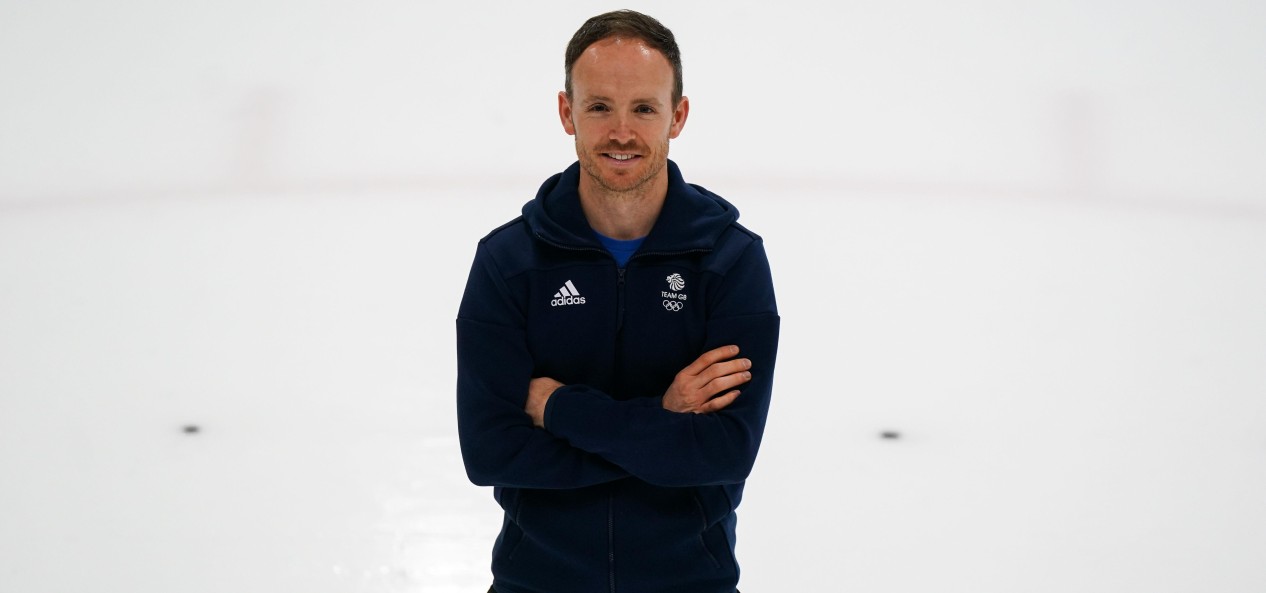
“My dad's family grew up in Fleet, outside of London, Richard says. “But I was born in South Africa and my parents emigrated to Canada when I was 11.
“I grew up skating in the Canadian system and eventually came back over to here to compete in the Great Britain team.
“Over in Canada it’s like every single person knows how to skate – not speed skate but skate. That's the culture. Here we're lucky if we get a hundred people registered for the British Championships.”
Rinks with National Lottery links
Richard is now a regular at Nottingham’s National Ice Centre – originally built with £23 million of National Lottery money. But his links stretch far and wide.
“Our speed skating background started in Great Britain,” he says. “My dad was part of the Mohawks – it was Birmingham Mohawks back then, now it's Solihull Mohawks.”
We have awarded a couple of small grants to Solihull Mohawks using National Lottery funds: one helped the club during COVID-19, the other covered sessions for young people to get into speed skating.
In all, over 250 ice and snow sport clubs around the UK have received National Lottery money over the years.
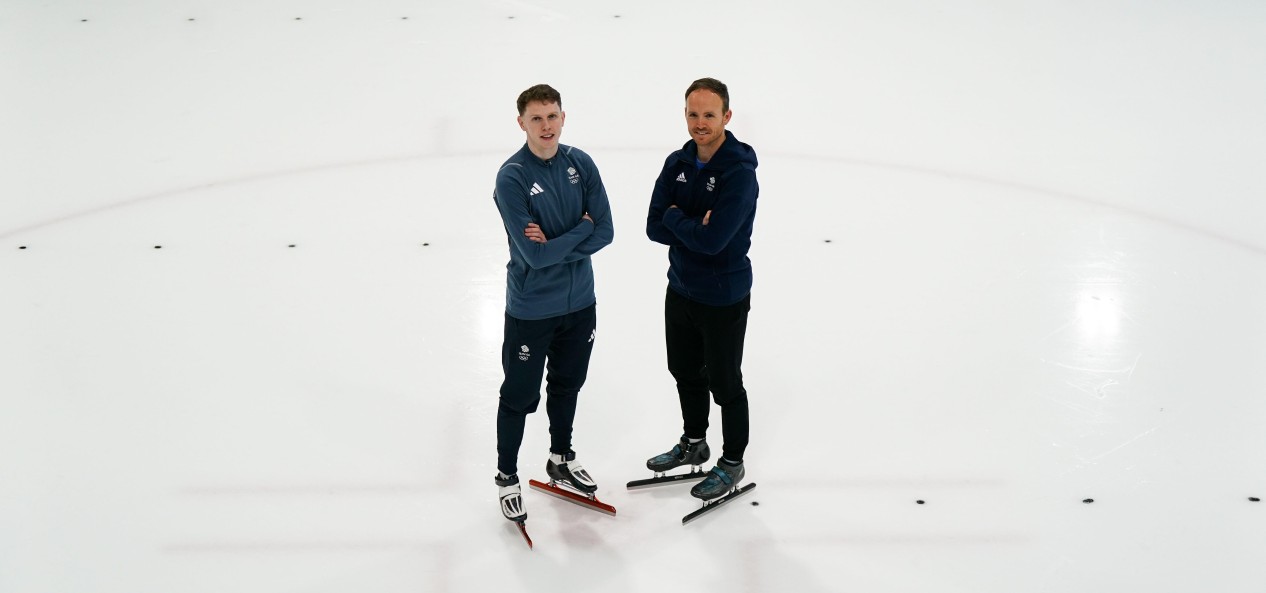
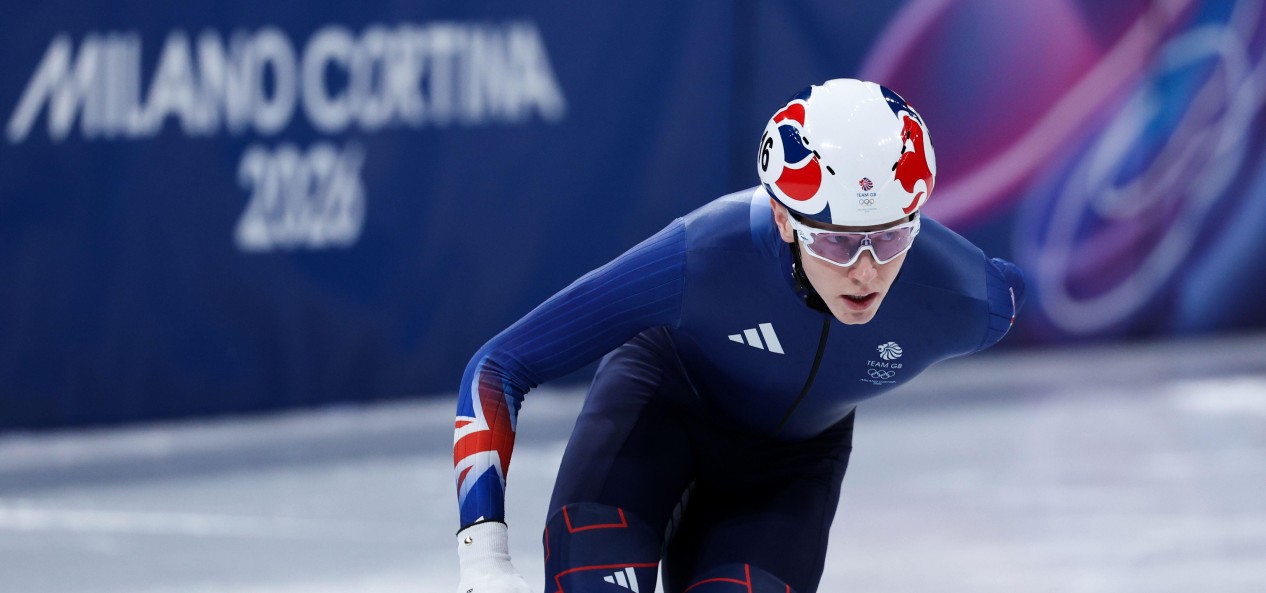
Coaching Team GB speedster Niall Treacy
“I started coaching at the beginning of 2017 – developing Niall,” Richard says. In fact, Niall came with me to my first competition as a coach.
“We've been through quite the journey together through some trying times but nothing that we haven't learned to navigate through.”
As a nation, do we punch above our weight on the ice?
“We do well in this country; for the limited amount of people that we have competing in the sport, we always seem to get a few to the top level,” Richard says.
“Canada has thousands of speed skaters. Same with Korea. If your base is bigger, naturally you're going to have more top performers.
“We've got a relatively very high percentage of top performers given the small numbers involved in the sport.”
How about developing the grassroots – or ice roots?
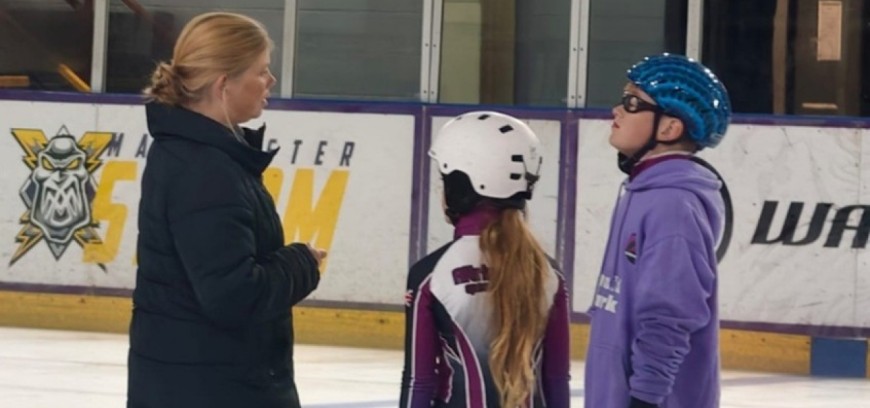
“Local clubs like the one at Altrincham are great,” he says. “My daughter speed skates as well; she's just turned eight. We went together to one of their taster sessions.”
Those taster sessions in Altrincham are funded by us with National Lottery money, but opportunities to try speed skating are not always easy to find in every part of the UK.
So when they’re within reach, Richard urges people to get on the ice.
“My daughter comes to the club sessions here (the National Ice Centre in Nottingham) every week,” he says.
“We've got probably 10 to 15 regular youngsters – a close-knit group, which is really cool to see. They’ve also had a parent and child session, a public session.
“We brought our other daughter down to the ice in Nottingham – she’s three and really likes skating. It was a great hour on the ice.”
Get your skates on
Richard continues: “We look to pull more people into the sport – we just had a young boy start at the Nottingham club who said he saw the 25th anniversary gala we’d put on in 2025.
“He saw speed skating for the first time and loved it. He kept telling his parents, ‘I want to try speed skating’ until he showed up one Sunday. And he brought a friend who now also wants to come speed skating.”
The need for speed
The speed of this dynamic sport is a major attraction for people of all ages. Richard shows a pair of speed skates with blades much longer than you see on figure skates.
“Any time we do public sessions, I try and get people to try on speed skates,” he adds. “They always go, ‘oh, what are those?’ Then, ‘why are your blades so long?’.
“And then they watch speed skating and go, ‘wow, you go so much faster’. That’s often when people want to come and try speed skating and get involved.”