

Sorry, you need to enable JavaScript to visit this website.
Skip to content

Our response to the 'Fund What Matters to You' consultation

The National Lottery plays a vital role in supporting community sport and physical activity. Our chief executive blogs on what we've learnt about making its impact even greater.

8th October 2026

by Simon Hayes
Chief executive, Sport England

For more than 30 years, National Lottery funding has helped make extraordinary things happen in communities across the country.

Every week, money raised by National Lottery players supports grassroots clubs, community organisations, facilities, volunteers, coaches and programmes that help people enjoy the benefits of being active.

So when the Government launched its National Lottery Good Causes: Fund What Matters to You consultation, asking people and organisations across the UK to have their say on the future of that funding, it was an important moment.
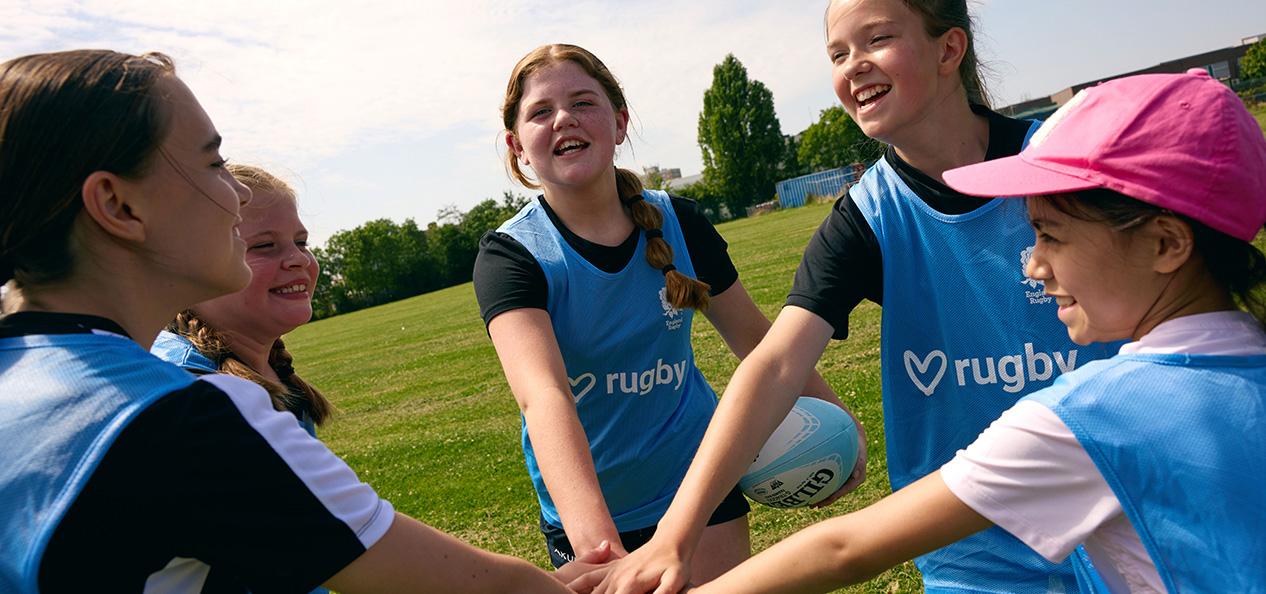
A group of girls put their hands together in front of them to show unity during an outdoors rugby session on a sunny day.

I want to start by thanking everyone across the sport and physical activity sector who took the time to contribute.

I know responding to consultations takes time, particularly for volunteers and smaller organisations, and I’m grateful to everyone who made their voice heard. 

The people working in and with communities every day see first-hand what National Lottery funding makes possible, and it’s important their experience helps shape what comes next.

Sport England has submitted its own response too, drawing on more than three decades of experience as a National Lottery distributor. 

What struck me as we developed our response was how much our own approach has changed over those 30 years, and how much we have learnt along the way.

The value of investing in sport and physical activity

Our starting point is simple: National Lottery investment in sport and physical activity makes an enormous difference.

We know the wider value of sport and physical activity is huge. In 2023/24 it generated an estimated £122.9 billion in social value in England – a measure that puts a monetary value on benefits including improved health and wellbeing and savings to public services. 

That equates to £4.38 for society and the economy for every £1 invested, and National Lottery funding makes an important contribution to making that possible.

It contributes to better physical and mental health, stronger and more connected communities and a healthier, more productive workforce.

That's why we believe sport and physical activity should continue to be a significant recipient of National Lottery Good Cause funding.

Give communities a stronger voice

We've also learnt a great deal about how that money can have the greatest impact.

Over recent years, we have increasingly shifted towards working with local partners and communities from the outset, understanding the barriers people face and shaping solutions around what matters locally.

Our experience through local delivery pilots, our growing network of Place Partnerships and funds such as the Movement Fund has reinforced something important: the people who live in a community understand its strengths, its challenges and the barriers people face better than anyone.

That means listening first. 
 

What struck me as we developed our response was how much our own approach has changed over those 30 years, and how much we have learnt along the way.

Communities should have a stronger voice in shaping priorities and influencing how National Lottery funding is used, rather than being presented with solutions designed elsewhere.

And funding should increasingly be targeted towards the people and places facing the greatest inequalities and barriers, combining national evidence about where need is greatest with local knowledge about what will actually work.

We can see that approach taking shape through our Place Partnerships, which now cover 111 local authority areas facing some of the greatest challenges around inactivity, deprivation and health inequalities. 

National evidence helps us identify where investment is most needed, while local organisations and communities help shape how that investment is used.

We've also learned that giving communities more influence works best when funding is straightforward to access.

Our Movement Fund was designed with feedback from community organisations and applicants, with simpler eligibility criteria, clearer guidance and a single route into our open funding. 

More than 6,000 awards have been made since it launched in 2024.

There is more we can learn, but the principle is an important one: applying for funding shouldn’t be more complicated than it needs to be.

National or local? We need both

Supporting greater local decision-making doesn't mean losing the benefits of national expertise and investment.

One of the clearest lessons from our experience is that local leadership and national capability are complementary, not competing.

Local organisations bring relationships, trust and a deep understanding of their communities. 

National organisations can provide expertise, safeguarding, governance, workforce development, evidence and infrastructure that would be difficult or inefficient to recreate independently in every place.

We've seen that combination work in many different ways, from national campaigns such as This Girl Can being activated in communities, to national governing bodies and specialist partners providing expertise that enables high-quality local opportunities.

That’s why we don't see the future as a choice between national and local funding. We believe the strongest model is national investment and expertise enabling effective, locally-led delivery.

Simple and accountable

And there is an important balance here. Making funding simpler and giving communities greater influence cannot mean losing accountability. 

National Lottery players deserve to know where their money goes and the difference it makes. 

But demonstrating that shouldn’t create unnecessary barriers for the grassroots and volunteer-led organisations we want to support.

Building on what works

So, as Government considers what comes next, I think there is a real opportunity to build on the success of the National Lottery and make the system even better.

This consultation is also taking place against the backdrop of the Government's wider plans to rewire the state and devolve more power and decision-making to local areas.

We support that direction. 

In fact, it reflects much of what we've learnt through our own experience: that investment is most effective when national evidence and expertise are combined with local knowledge, relationships and decision-making.

We want to go further ourselves, giving places and communities greater influence over how investment is used and building on what we've learnt so far. 

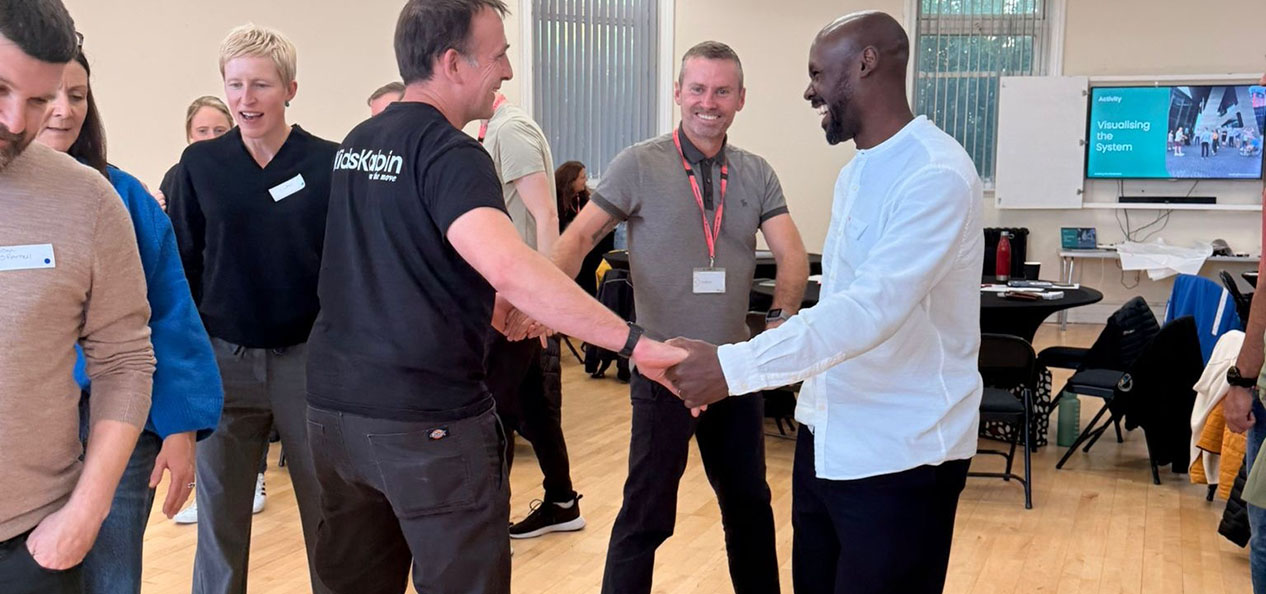
Three men smile and hold each other's hands as they go in circles in a room with a Leading the Movement presentation showing on a screen in the background.

There are also opportunities to simplify access to funding, strengthen collaboration between National Lottery distributors and target investment even more effectively towards those facing the greatest inequalities.

At the same time, we shouldn’t lose what works: the expertise built up by specialist distributors and partners, the ability to invest nationally as well as locally, proper accountability, and the flexibility that has allowed National Lottery funding to respond to changing needs.

And, just as we have tried to learn and adapt our own approach over time, changes to the wider system should be based on evidence, tested and evaluated so we know they are making things better.

The National Lottery has transformed sport and physical activity over the past three decades. 

As Government considers what comes next, we have an opportunity to build on that legacy and make sure Good Cause funding has an even greater impact in the decades ahead.

Thank you again to everyone who took the time to contribute to that conversation and, as ever, thank you to National Lottery players who make so much of our work possible.

Sign up to our newsletter

You can find out exactly how we'll look after your personal data, but rest assured we'll only use it to make sure you receive our newsletter, to understand how you interact with our newsletter, and to provide administrative information about our newsletter.