Skip to content

Working with different groups

How to benefit from diversity and provide for the different groups of people that want to get active. Which is, well, everyone!

What works for one, doesn't work for the other

It should be simple, really, shouldn't it? No two groups are alike.

What works to engage or communicate with one group of people won't work with another, so we have to take account of those differences and adjust accordingly.

In this section we give you hints, tips, guidance and research on how to work with different groups. But remember, there are sub-groups within groups, so you always have to be aware.

The best way to work out what might work for a person or a group of people? Well that's simple - talk to them!

Women playing hockey

Engaging women and girls

Smash the gender barrier

Why are girls more likely to be inactive that boys?

Data from Sport England shows that girls are more inactive throughout their time at school. As adults, the trend continues, although their barriers and motivations may change.  

Being able to identify and understand the most common barriers and motivations can help you to reach and retain women. 

Read on

Two girls in bright blue tops are playing rugby - one runs with the ball, while the other chases her

Children and young people

Attracting young people

Providing positive experiences of sport and physical activity, at a young age, can help to build the foundations of an active life.

Community clubs, groups and organisations can play a big role in providing positive experiences of sport. 

Here's how you can do this... 

Get the lowdown

A playful picture of a girl hiding behind her tennis racket on a court

Creating enjoyable experiences for children and young people

Let's have fun

If you want to attract young people to your group, then you need to show them that it's fun! 

So how can you do this...?

Here are our top tips...

Read on

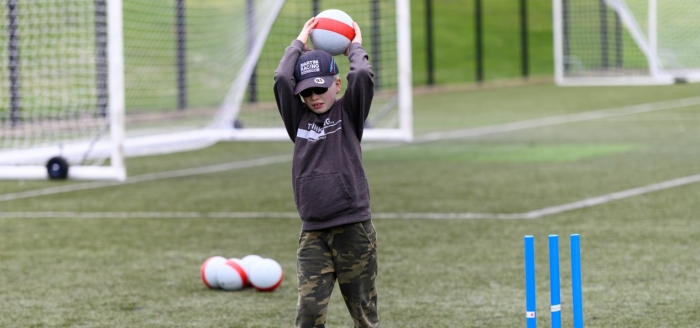
A boy wearing a baseball cap and dark glasses holds a ball above his head on an outdoor artificial football pitch.

Special educational needs (SEN)

Create inclusive environments

Regardless of their ability or needs, all children and young people should have opportunities that can be adapted or enhanced to ensure they have a positive experience.

Here's how you can do that...

Find out more

A boy is sitting on a yoga mat, opposite an adult, doing an 'I'm a little teapot' pose

The role of parents and carers

Parent power

Parents and carers have a leading role to play in supporting their children’s participation and enjoyment of sport.

Actively engaging parents can also provide extra help and support when you need it most and help spread the word about your group. 

Here's how you can reach out to them... 

Read more

Two women are walking along a path in a park, with their babies - they're talking and laughing

Creating a family offer

It's a family affair

Children are more likely to be more active when other members of their family are. 

Families play a significant role in shaping their attitudes, behaviour and experiences, and can act as role models for sport and exercise. 

So how can you get them involved...?

Dive in

A girl in a headscarf is holding a netball and prepares to score a goal

Engaging lower socio-economic groups

Reaching out to your community

Sporting groups are ideally placed to help address any challenges faced by their local community. However, they often lack the resources or skills to do this. 

This page explores some of the factors that can affect participation and volunteering by people from lower socio-economic groups.

We'll also show you how you can reach out and become more accessible to your community. 

Find out more

A female swimmer is powering along a lane at a pool filled with turquoise water

Hardship funds

These are tough times

Money is tight for so many people - and that can mean that sport is way down their list of priorities. 

It’s important that clubs and community organisations are there to support their community, when they need it. 

This page explains how to set up a hardship fund... 

Dive in

An ethnically diverse group of women take part in an exercise class

Ethnically diverse communities

Making the most of diversity

Insight and guidance for organisations to become more inclusive to ethnically diverse communities, including top tips, barriers to look out for and where to go for professional training.

Keep reading

Two women using walking poles, walk in a park

Older adults

Motivations and barriers to being active at an older age

Staying active can become harder as we age, but it’s increasingly important.

As the population ages, an inclusive approach to activities and volunteering opportunities can help your organisation attract a range of people, from all backgrounds and age groups.

Read on

A visually impared man plays frisbee golf

Engaging disabled people

One in five has an impairment or long-term health condition

How can community sports organisations create inclusive environments for disabled people and people living with long-term health conditions? We'll show you.

Get the lowdown

A teenage boy practices yoga as part of a class

Supporting wellbeing through community

Working together for social good

Supporting mental wellbeing within your community sports organisation and creating positive experiences to meet different needs.

Read on

Two young girls in powerchair play football, using an oversized-ball, with a young boy using a walking frame.

Engaging people with long-term health conditions

We Are Undefeatable

Learn how the campaign is helping people to create inclusive clubs and organisations that provide for disabled people and people with long-term health conditions.

Dive in

An LGBTQ+ inclusive rugby side train

LGBT+ inclusivity

Sport is everyone’s game 

The LGBTQ+ community can face barriers to taking part in sport, so we've put together some tips for embedding LGBTQ+ inclusion into community sports organisations.

Get the lowdown

Sign up to our newsletter

You can find out exactly how we'll look after your personal data, but rest assured we'll only use it to make sure you receive our newsletter, to understand how you interact with our newsletter, and to provide administrative information about our newsletter.